Artificial Intelligence

Explore the best AI prompts for ChatGPT, Gemini, content creation, SEO, blogging, and productivity. Learn practical AI prompting techniques in Hindi.

AI Overviews
Artificial Intelligence

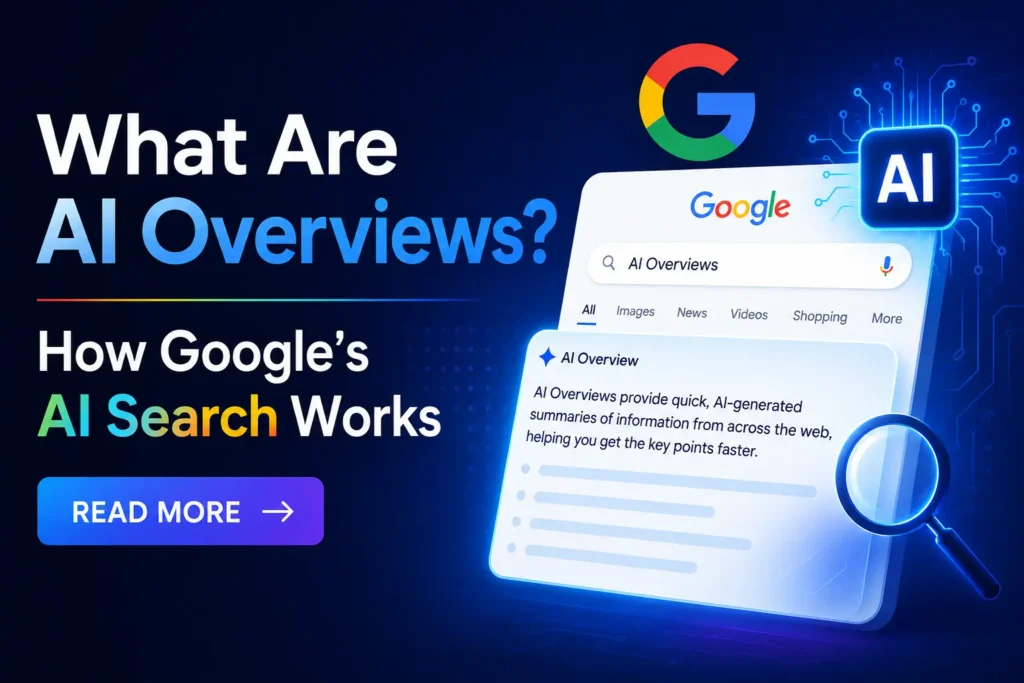
What Are AI Overviews? How Google’s AI Search Works

आज के समय में जब भी हम Google पर कोई सवाल search करते हैं, कई बार traditional blue links से पहले एक summarized answer दिखाई देने लगा है। उदाहरण के लिए, अगर आप “best protein for beginners” या “how to start SEO” search करें, तो कई बार Google सीधे short explanation दे देता है। यही नया बदलाव website owners और bloggers के लिए curiosity का कारण बन रहा है। आखिर ये नए answers आते कहाँ से हैं? यहीं पर AI Overviews समझना जरूरी हो जाता है। अगर आसान भाषा में समझें, तो Google AI Overviews Google के AI-powered summaries हैं जो multiple sources की information combine करके users को direct answer provide करने की कोशिश करते हैं। इसका मतलब users को कई बार अलग-अलग websites खोलने की जरूरत कम पड़ सकती है। इसलिए website owners के लिए यह समझना पहले से ज्यादा जरूरी हो गया है कि content को AI-friendly कैसे बनाया जाए। जब मैंने पहली बार informational keywords पर AI-generated summaries notice कीं, तब समझ आया कि search behavior तेजी से बदल रहा है। लेकिन सबसे interesting बात यह है कि AI Overviews traditional SEO को खत्म नहीं कर रहे वे उसे evolve कर रहे हैं। AI Overviews Google के AI-generated search summaries हैं जो users को direct answers देने के लिए multiple trusted sources की information combine करते हैं। Google AI search में इनका उद्देश्य faster और contextual answers provide करना है। इसलिए websites को clear, structured और trustworthy content publish करना पहले से ज्यादा जरूरी हो गया है। About the Author SEO Experience और Practical Understanding यह guide real SEO observations और practical experience पर आधारित है। Himanshu Nigam वर्तमान में Ommune IT Solutions में SEO Executive के रूप में कार्यरत हैं और 1+ year का SEO experience रखते हैं। उन्होंने keyword research, content optimization, technical SEO और AI-based SEO trends पर hands-on work किया है। इसके अलावा Himanshu नियमित रूप से SEO, AI SEO tools, GEO और digital growth topics पर practical insights share करते हैं ताकि beginners SEO changes को बेहतर तरीके से समझ सकें। जब AI-driven search तेजी से बदल रहा हो, तब सिर्फ theory नहीं बल्कि real-world observation equally जरूरी हो जाती है। इसी वजह से यह guide practical लेकिन beginner-friendly explanation पर focus करती है। AI Overviews क्या हैं और Google इन्हें क्यों दिखा रहा है? AI Overviews Google द्वारा दिखाए जाने वाले AI-generated summaries हैं जिनका उद्देश्य users को जल्दी और contextual answer देना होता है। यह खासतौर पर informational queries में ज्यादा दिखाई दे सकते हैं। AI Overviews एक ऐसी AI-powered search experience feature है जो multiple web sources की information summarize करके users को concise response देने की कोशिश करती है। इसका मतलब traditional search results खत्म करना नहीं बल्कि faster answer experience provide करना है। अगर Indian example लें, तो imagine कीजिए पहले किसी student को answer समझने के लिए 5 अलग books पढ़नी पड़ती थीं। लेकिन अब teacher सभी important points combine करके short explanation दे दे। Google AI Overviews कुछ ऐसा ही role निभाने की कोशिश करते हैं। जब मैंने पहली बार informational search queries observe कीं, तब notice किया कि question-based searches पर AI summaries ज्यादा frequently दिखाई दे रही थीं। हालांकि यह समझना जरूरी है कि हर query पर AI Overviews available नहीं होते क्योंकि Google query intent और confidence level के आधार पर अलग behavior दिखा सकता है।  Google AI Search कैसे काम करता है? Google AI search users को traditional links के साथ AI-powered contextual answers देने का प्रयास करता है। इसका focus सिर्फ information दिखाना नहीं बल्कि सवाल का summarized जवाब देना भी होता है। Google AI search एक ऐसी evolving search experience है जिसमें AI models multiple sources analyze करके concise answers generate करने की कोशिश करते हैं। इसका मतलब सिर्फ keyword matching नहीं बल्कि context understanding भी है। How AI Overviews Work – Google answers कैसे generate हो सकते हैं? how AI Overviews work समझना जरूरी है क्योंकि कई लोग सोचते हैं कि Google खुद content लिखता है। Reality में AI systems available web information को synthesize करने की कोशिश कर सकते हैं। कुछ common signals इस प्रकार हो सकते हैं: Trustworthy content sources Structured information Clear explanations Strong E-E-A-T signals Informational relevance अगर इसे Indian classroom analogy से समझें, तो imagine कीजिए teacher कई students की answers पढ़कर सबसे useful explanation class को समझा दे। AI systems भी कुछ हद तक ऐसा behavior दिखा सकते हैं। जब मैंने पहली बार FAQ-rich pages analyze किए, तब structured content conversational queries के लिए ज्यादा aligned लगा। लेकिन यह समझना जरूरी है कि AI selection logic पूरी तरह public नहीं है, इसलिए exact ranking signals confirm नहीं किए जा सकते। Research studies ने दिखाया है कि users increasingly conversational search behavior adopt कर रहे हैं। Google AI Overviews और Google AI Answers में क्या फर्क है? कई beginners Google AI Overviews और Google AI answers को same समझ लेते हैं, जबकि दोनों concepts context के अनुसार अलग हो सकते हैं। इसलिए इनके बीच फर्क समझना जरूरी है। Google AI Overviews सामान्यतः AI-generated summaries को refer करते हैं जो multiple sources combine करके दिखाई जा सकती हैं। दूसरी तरफ Google AI answers broader concept है, जिसमें conversational responses, direct explanations या AI-powered answer formats शामिल हो सकते हैं। अगर इसे food delivery analogy से समझें, तो imagine कीजिए पूरा meal combo और individual food item में फर्क हो। AI Overviews complete summarized experience की तरह हो सकते हैं, जबकि AI answers broader interaction format को represent कर सकते हैं। जब मैंने पहली बार different search categories compare कीं, तब देखा कि informational keywords पर AI Overviews ज्यादा दिखाई दे रहे थे जबकि transactional searches पर traditional results dominate कर रहे थे। लेकिन यह जरूरी नहीं कि future behavior बिल्कुल यही रहे क्योंकि Google लगातार experiments करता रहता है। Common AI Overviews Mistakes जो SEO performance को नुकसान पहुँचा सकती हैं AI Overviews के लिए optimize करते समय कई beginners ऐसी mistakes कर देते हैं जो long-term SEO performance को weak बना सकती हैं। इसलिए सिर्फ AI trend follow करना काफी नहीं

What Are AI Overviews? How Google’s AI Search Works Read Post »

Geographical SEO
Artificial Intelligence

What Is GEO in SEO? Complete Beginner’s Guide 2026

आज के समय में सिर्फ Google पर traditional blue links में rank करना ही काफी नहीं रह गया है। आपने शायद notice किया होगा कि अब कई बार Google या AI search platforms सीधे answer दिखाने लगे हैं, जहाँ users को website open किए बिना summarized information मिल जाती है। ऐसे में website owners और bloggers के मन में एक नया सवाल पैदा हो रहा है अगर AI खुद जवाब देने लगेगा, तो traffic कहाँ से आएगा? यहीं पर Geographical SEO समझना जरूरी हो जाता है। अगर आसान भाषा में समझें, तो Generative Engine Optimization ऐसी strategy है जो websites को AI-generated search results में visibility दिलाने पर focus करती है। इसका मतलब सिर्फ Google ranking नहीं, बल्कि AI summaries, conversational search और answer engines में discoverable बनना भी है। खासतौर पर 2026 में AI search तेजी से evolve हो रहा है, इसलिए content creators के लिए नई optimization approach समझना पहले से ज्यादा जरूरी बन गया है। जब मैंने पहली बार AI-generated search results observe किए, तब समझ आया कि सिर्फ keyword stuffing या traditional ranking tactics future-proof strategy नहीं हैं। सबसे interesting बात यह है कि GEO SEO को replace नहीं करता बल्कि उसे evolve करता है। Geographical SEO का मतलब Generative Engine Optimization है, जो websites को AI-generated search results में दिखाई देने के लिए optimize करने की process है। इसका focus AI summaries, conversational search और answer engines में visibility improve करना होता है ताकि content traditional search results से आगे भी discover हो सके। About the Author – SEO Experience और Practical Understanding यह guide practical SEO observation और real-world learning पर आधारित है। Himanshu Nigam वर्तमान में Ommune IT Solutions में SEO Executive के रूप में कार्यरत हैं और 1+ year का SEO experience रखते हैं। उन्होंने on-page SEO, keyword research, content optimization और AI-based SEO strategies पर hands-on काम किया है। इसके अलावा Himanshu नियमित रूप से SEO trends, AI SEO tools, GEO और AEO topics पर insights share करते हैं ताकि beginners और website owners organic growth बेहतर समझ सकें। जब SEO industry में AI-generated search experiences तेजी से बदल रहे हों, तब सिर्फ theory नहीं बल्कि practical observation equally जरूरी हो जाती है। इसी वजह से यह guide simplified लेकिन realistic perspective पर focus करती है। Geographical SEO क्या है और यह क्यों जरूरी होता जा रहा है? Geographical SEO websites को AI-powered search ecosystems के लिए optimize करने की process है। इसका उद्देश्य AI-generated answers में trustworthy source के रूप में appear होने की संभावना improve करना होता है। Generative Engine Optimization एक ऐसी optimization strategy है जो conversational AI search results के लिए content relevance improve करने पर focus करती है। इसका मतलब सिर्फ keywords target करना नहीं बल्कि context, expertise और answer clarity पर भी ध्यान देना होता है। अगर Indian example लें, तो imagine कीजिए पहले students सिर्फ books से पढ़ते थे, लेकिन अब educational apps summarized answers देने लगी हैं। ऐसे में सिर्फ book shop होना काफी नहीं content का easily understandable और reliable होना भी जरूरी हो गया। GEO SEO में कुछ ऐसा ही बदलाव represent करता है। जब मैंने पहली बार AI summaries में content sources analyze किए, तब notice किया कि structured answers और clear formatting वाली websites ज्यादा frequently referenced दिखाई दे रही थीं। हालांकि यह समझना जरूरी है कि AI citation behavior अभी evolving stage में है। Industry experts के अनुसार, AI-driven search behavior आने वाले वर्षों में user interaction patterns बदल सकता है। SEO vs GEO – दोनों में क्या अंतर है? SEO vs GEO समझना जरूरी है क्योंकि दोनों का purpose similar होने के बावजूद optimization approach अलग हो सकती है। GEO traditional SEO का replacement नहीं बल्कि extension माना जा सकता है। Traditional SEO search engines में webpages rank कराने पर focus करता है। दूसरी तरफ GEO AI-generated summaries, conversational answers और synthesized results में visibility improve करने का प्रयास करता है। SEO vs GEO को आसान भाषा में कैसे समझें? अगर analogy से समझें, तो imagine कीजिए SEO library shelf पर आपकी किताब को visible बनाने जैसा है। दूसरी तरफ GEO ऐसा है जैसे कोई teacher students के सवाल का जवाब देते समय आपकी किताब से information quote करे। कुछ मुख्य differences इस प्रकार समझे जा सकते हैं: SEO keywords और SERP rankings पर ज्यादा focus करता है GEO contextual relevance और answer quality पर ज्यादा ध्यान देता है SEO clicks drive करता है GEO citations और answer visibility improve करने का प्रयास करता है जब मैंने पहली बार informational queries compare कीं, तब यह observe किया कि AI answer systems short, direct और structured explanations को ज्यादा prefer करते दिखाई दिए। लेकिन यह समझना जरूरी है कि strong SEO foundation के बिना GEO strategy भी weak पड़ सकती है। Research studies ने दिखाया है कि conversational search behavior steadily बढ़ रहा है। How GEO Works AI search optimization कैसे काम करता है? GEO works समझना जरूरी है क्योंकि कई beginners सोचते हैं कि यह सिर्फ नया keyword trend है। Reality में यह content structure और authority signals से काफी जुड़ा हुआ concept है। AI search optimization एक ऐसी process है जिसमें content को इस तरह optimize किया जाता है कि AI systems उसे understandable, trustworthy और reference-worthy मान सकें। इसका मतलब सिर्फ content publish करना नहीं बल्कि clarity, structure और factual depth improve करना भी है। Search Generative Experience SEO में content कैसे दिखाई दे सकता है? search generative experience SEO का focus ऐसा content create करना है जो AI-generated search experiences में useful लगे। कुछ important signals इस प्रकार माने जाते हैं: Clear question-answer format Structured headings E-E-A-T signals Trustworthy information sources Direct explanations अगर इसे daily life analogy से समझें, तो imagine कीजिए class teacher वही student answer choose करे जो short, clear और accurate explanation दे। AI systems भी अक्सर इसी तरह concise और context-rich information prefer करते दिखाई देते हैं। जब मैंने पहली बार FAQ-heavy pages analyze किए, तब notice किया कि structured answers वाले pages conversational queries के लिए ज्यादा useful लग रहे थे। लेकिन यह समझना जरूरी है कि AI

What Is GEO in SEO? Complete Beginner’s Guide 2026 Read Post »

AI SEO Tools
Artificial Intelligence

10 Best AI SEO Tools for SEO Success in 2026

आज के समय में सिर्फ traditional SEO strategy से rankings हासिल करना पहले जितना आसान नहीं रहा। Google algorithms लगातार smarter हो रहे हैं, competition बढ़ रहा है और content volume पहले से कहीं ज्यादा है। ऐसे में अगर आप manually keyword research, content optimization और technical SEO करने की कोशिश करेंगे, तो काफी समय लग सकता है। यहीं पर एक अच्छा AI SEO Tool काम आता है। मान लीजिए आपको 100 keywords analyze करने हैं, competitors का content gap समझना है, technical issues identify करने हैं और SEO-friendly content भी तैयार करना है—तो manually यह process काफी time-consuming हो सकता है। लेकिन AI-powered SEO tools इस workload को faster और smarter बना सकते हैं। यही वजह है कि 2026 में best AI SEO tools digital marketers, bloggers और SEO professionals के workflow का जरूरी हिस्सा बनते जा रहे हैं। जब मैंने पहली बार AI-based SEO tools use किए, तब समझ आया कि keyword clustering और content recommendations जैसे tasks कितने जल्दी हो सकते हैं। हालांकि यह समझना जरूरी है कि AI tools SEO experts को replace नहीं करते वे decision-making को faster और data-driven बनाते हैं। सबसे interesting सवाल यह है कि इतने सारे options में सही tool choose कैसे करें? AI SEO Tool ऐसे software solutions होते हैं जो Artificial Intelligence की मदद से keyword research, content optimization, technical SEO, competitor analysis और SEO automation आसान बनाते हैं। सही tool workflow को faster कर सकता है, लेकिन effective SEO strategy के लिए human judgment अभी भी जरूरी रहती है। About the Author – SEO Experience और Practical Expertise यह guide practical SEO experience और real-world observations पर आधारित है। Himanshu Nigam वर्तमान में Ommune IT Solutions में SEO Executive के रूप में कार्यरत हैं और 1+ year का hands-on SEO experience रखते हैं। उन्होंने on-page SEO, keyword research, technical SEO, content optimization और AI-powered SEO strategies पर काम किया है। इसके अलावा Himanshu नियमित रूप से SEO, GEO, AEO और digital growth strategies पर insights share करते हैं ताकि websites organic traffic और rankings improve कर सकें। जब daily SEO work में multiple audits, content updates और ranking improvements manage करनी होती हैं, तब AI tools practical level पर कितना समय बचाते हैं यह observation इसी experience का हिस्सा है। AI SEO Tool क्या होता है और SEO में इसका role क्यों बढ़ रहा है? AI SEO Tool SEO processes को automate और improve करने के लिए Artificial Intelligence का use करता है। इसका उद्देश्य repetitive tasks को faster बनाना और better recommendations देना होता है। AI SEO Tool एक ऐसी software technology है जो keyword opportunities, search intent, content optimization, technical SEO issues और competitor insights को analyze करती है। इसका मतलब सिर्फ automation नहीं, बल्कि data-driven suggestions देना भी होता है। अगर इसे Indian example से समझें, तो imagine कीजिए competitive exam की preparation बिना mentor के करनी पड़े। काफी confusion हो सकता है। लेकिन अगर कोई mentor weak topics identify करके सही direction दे, तो preparation आसान हो जाती है। AI SEO tools SEO process में ऐसी guidance की तरह काम करते हैं। जब मैंने पहली बार large keyword lists manually organize की थीं, तब hours लग जाते थे। बाद में AI clustering tools use करने पर वही काम comparatively faster हुआ। हालांकि यह समझना जरूरी है कि AI suggestions blindly follow करना सही strategy नहीं होती। Industry experts के अनुसार, AI-assisted workflows repetitive SEO tasks का workload कम कर सकते हैं। Best AI SEO Tools कौन से हैं और किसके लिए useful हैं? Best AI SEO tools website owners, bloggers, agencies और SEO professionals के लिए अलग-अलग needs fulfill करते हैं। हर tool का strength area अलग होता है। कुछ tools content optimization पर focus करते हैं, कुछ AI keyword research tools में strong होते हैं, जबकि कुछ technical SEO analysis में useful रहते हैं। 2026 में popular AI SEO tools की list में सामान्यतः ये tools शामिल किए जाते हैं: ChatGPT Surfer SEO Jasper AI Frase SEMrush AI Features Ahrefs AI Tools Alli AI MarketMuse Outranking NeuronWriter सबसे important बात यह है कि expensive tool हमेशा जरूरी नहीं कि आपकी जरूरत के लिए सही हो। अगर आपका focus सिर्फ content optimization है, तो अलग tool useful हो सकता है। दूसरी तरफ agencies के लिए all-in-one platforms practical होते हैं। Research studies ने दिखाया है कि AI-assisted workflows productivity improve करने में मदद कर सकते हैं। ChatGPT for SEO – क्या यह beginner friendly AI SEO Tool है? ChatGPT for SEO beginners और content creators के लिए काफी useful हो सकता है, लेकिन इसका सही उपयोग समझना जरूरी है। यह SEO automation का complete replacement नहीं बल्कि assistant की तरह काम करता है। ChatGPT एक ऐसी AI language technology है जो keyword ideas, content outlines, title suggestions, schema ideas और SEO-friendly drafts तैयार करने में मदद कर सकती है। इसका मतलब यह नहीं कि generated content बिना editing के publish कर देना चाहिए। ChatGPT for SEO किन कामों में useful है? कुछ common SEO use cases इस प्रकार हैं: Keyword clustering ideas SEO blog outlines Meta title और meta description suggestions FAQ generation Content gap brainstorming अगर analogy से समझें, तो ChatGPT smart research assistant की तरह है। यह ideas जल्दी organize कर सकता है, लेकिन final strategy decision इंसान को ही लेना पड़ता है। जब मैंने पहली बार informational blogs के लिए ChatGPT use किया, तब outline creation का time काफी कम हुआ। लेकिन दूसरी तरफ मैंने observe किया कि बिना fact-checking के output publish करना risky हो सकता है। इसलिए human review जरूरी रहता है। Industry experts के अनुसार, AI content writing tools तभी ज्यादा effective होते हैं जब human expertise के साथ combine किए जाएँ। Surfer SEO – AI Content Optimization Tools में यह कितना useful है? Surfer SEO content optimization और SERP-based recommendations के लिए popular माना जाता है। यह खासतौर पर writers और SEO professionals के लिए helpful हो सकता है। Surfer SEO एक ऐसी platform technology है जो top-ranking pages analyze करके content recommendations देती है। इसमें NLP-based keyword suggestions, content score और optimization recommendations शामिल हो

10 Best AI SEO Tools for SEO Success in 2026 Read Post »

ai-vs-machine-learning
Artificial Intelligence

Difference Between Artificial Intelligence vs Machine Learning

Jab aap YouTube open karte ho aur bina search kiye wahi videos recommend ho jati hain jo aapko pasand aati hain, ya Flipkart par aapko exactly relevant products dikhte hain yeh coincidence nahi hai. Yahan kahani shuru hoti hai Artificial Intelligence vs Machine Learning ki. Bahut log in dono terms ko interchangeably use karte hain, lekin asal me inka role aur kaam alag hai. Agar aap beginner ho ya tech field me interest rakhte ho, to yeh samajhna zaruri hai ki AI aur Machine Learning ka relation kya hai, kaise kaam karte hain aur real life me inka use kaise hota hai. Yeh sirf definitions ka topic nahi hai yeh aapke daily life ke digital experience ka core part hai. Sabse interesting baat yeh hai ki aap already in technologies ka use kar rahe ho bina realize kiye. Lekin jab aap inka difference samajh loge, tab aapko clarity milegi ki future kis direction me ja raha hai. Artificial Intelligence vs Machine Learning ka main difference yeh hai ki Artificial Intelligence ek broad concept hai jo machines ko human-like decision making ability deta hai, jabki Machine Learning uska ek subset hai jo data se seekh kar apne decisions improve karta hai. Simple words me, ML AI ka learning engine hai. What is AI and Machine Learning Basic Concept Jo Sabko Clear Hona Chahiye Artificial Intelligence ek aisi technology hai jo machines ko human intelligence jaisa behavior perform karne ki ability deti hai. Iska matlab hai ki system sirf programmed instructions follow nahi karta, balki situation ke hisaab se decision bhi leta hai. Dusri taraf, Machine Learning ek aisa approach hai jisme system data se patterns seekhta hai aur bina manual programming ke apni performance improve karta hai. Yeh samajhne ke liye ek simple analogy lete hain: socho ek company ka CEO hai aur uske employees hain. CEO overall decision leta hai (yeh AI hai), jabki employees data analyze karke usse inputs dete hain (yeh ML hai). Dono milke kaam karte hain. Jab main pehli baar Flipkart ka recommendation system observe kar raha tha, tab mujhe realize hua ki sirf rules se yeh possible nahi hai. Flipkart aapki browsing history, clicks aur purchase patterns ko analyze karta hai yeh ML ka kaam hai. Phir AI decide karta hai ki kaunsa product highlight karna hai. Isliye sabse important baat yeh hai ki AI aur ML alag nahi hain, balki ek hi system ke do interconnected parts hain. AI kya hai aur AI kaise kaam karta hai — Real Understanding Beyond Definition AI ka matlab hai machines ko intelligent behavior dena, jisme wo input ko samajh kar logical output de sake. AI systems ka core kaam hota hai decision making bina har situation ke liye alag code likhe. AI kaise kaam karta hai, yeh samajhne ke liye input-process-output model samjho. System data leta hai, usse process karta hai aur phir decision deta hai. Lekin yeh sirf surface level hai. AI kya hai (Deep Definition) AI ek aisi computational approach hai jo human intelligence ke patterns ko simulate karti hai jaise reasoning, problem solving aur language understanding. AI kaise kaam karta hai AI systems multiple techniques use karte hain: rule-based logic search algorithms ML integration According to industry experts, modern AI systems ka 80% performance ML par depend karta hai. AI ka real Indian use case Paytm ka fraud detection system interesting hai. Yeh sirf predefined rules follow nahi karta, balki transaction behavior ko analyze karta hai jaise location mismatch, unusual timing. Yeh AI ka decision-making part hai. Analogy AI ko ek experienced doctor samjho jo symptoms dekhkar diagnosis karta hai. Wo sirf ek rule par depend nahi karta wo context samajhta hai. Sabse important baat yeh hai ki AI har case me perfect nahi hota. Yeh data aur design par depend karta hai, isliye errors possible hain. AI and ML Difference Jo Textbooks Nahi Batate AI and ML difference ka core yeh hai ki AI decision making ka system hai, jabki ML us system ka learning mechanism hai. ML AI ko smarter banata hai, lekin AI ka scope ML se bada hota hai. Ek comparison samjho: AI bina ML ke bhi exist kar sakta hai (rule-based systems), lekin ML bina AI ke independently useful nahi hota. Jab main Zomato ka recommendation system analyze kar raha tha, mujhe samajh aaya ki ML user ka behavior track karta hai jaise aap kab order karte ho, kya order karte ho. Phir AI decide karta hai ki aapko kaunsa restaurant show karna hai. Comparison-style insight AI ek strategy hai, ML ek tool hai AI “kya karna hai” decide karta hai ML “kaise seekhna hai” handle karta hai Analogy AI ek cricket captain hai ML ek player hai jo practice se better hota hai Nuanced insight Yeh important hai samajhna ki ML hamesha accuracy improve karega, aisa zaruri nahi hai. Agar data biased hai, to ML galat learning bhi kar sakta hai isliye data quality critical hoti hai. Artificial Intelligence vs Machine Learning in Hindi — Real Life Difference Samjho Artificial Intelligence vs Machine Learning ka simple matlab hai ki ML AI ka ek part hai jo data-driven learning karta hai, jabki AI overall intelligent behavior design karta hai. India me aap daily use karte ho: Google Maps Amazon recommendations Banking alerts Yeh sab AI + ML ka combination hai. Flipkart example ko thoda aur deep samjho: jab aap product search karte ho, system aapke previous behavior ko analyze karta hai. ML pattern find karta hai, aur AI decide karta hai ki kaunsa product aapko top par dikhana hai. Analogy AI ek car hai ML uska navigation system hai jo route optimize karta hai Nuanced insight Generally mana jaata hai ki AI aur ML hamesha saath me use hote hain, lekin kuch systems pure rule-based AI bhi hote hain jisme ML use nahi hota. Machine Learning Ka Role AI me Why It Matters in Real Systems Machine Learning AI ka wo component hai jo system ko adaptive banata hai, yani wo time ke saath improve hota hai. ML

Difference Between Artificial Intelligence vs Machine Learning Read Post »

what-is-machine-learning
Artificial Intelligence

What is Machine Learning in Hindi – Machine Learning Kya Hai?

Aaj is post mein hum Machine Learning ke baare mein padhenge jo ek bahut important topic hai Artificial Intelligence ka. What is Machine Learning in Hindi Aaj kal jab bhi aap YouTube kholte ho aur wahi videos recommend hoti hain jo aapko pasand aati hain, ya Flipkart par exactly wahi products dikhte hain jo aap search karte ho yeh sab koi magic nahi hai, yeh hai Machine Learning ka power. Bahut log sunte hain ki Machine Learning future hai, lekin actual me samajhte kam log hain ki Machine Learning kya hota hai aur yeh kaise kaam karta hai. Agar aap beginner ho ya tech field me interest rakhte ho, to yeh topic samajhna bahut important hai. Yahan aap sirf definition nahi, balki real examples, working process aur practical understanding ke through Machine Learning ko deeply samjhoge. Sabse important baat yeh content aapko confuse nahi karega, balki step-by-step clarity dega. Machine Learning Kya Hai? Machine Learning ek aisi technology hai jisme computer systems data se patterns seekh kar bina explicitly program kiye khud decisions lene lagte hain. Yeh Artificial Intelligence ka ek part hai jo systems ko “experience se improve” hone ki ability deta hai. Machine Learning Kya Hai? (Concept Samjho, Sirf Definition Nahi) Machine Learning ka matlab hai data se seekhna aur us basis par prediction ya decision lena. Yahan computer ko step-by-step instructions nahi diye jaate, balki examples diye jaate hain jisse wo khud rules samajhta hai. Socho aap ek bacche ko fruits identify karna sikha rahe ho. Agar aap usse har rule bataoge to wo confuse ho sakta hai. Lekin agar aap usse baar-baar apple aur banana dikhaoge, wo khud difference samajhne lagega. Machine Learning bhi exactly isi tarah kaam karta hai. Isliye ML ko samajhne ka best tareeka hai: “Computer ko sikhana nahi, balki usse seekhne dena” India me aap dekho: Paytm fraud detect karta hai Zomato aapko food recommend karta hai IRCTC demand predict karta hai Yeh sab Machine Learning ke real-life applications hain. Iske alawa, ML ka sabse strong point yeh hai ki yeh time ke saath better hota jata hai. Jitna zyada data milega, utni accuracy improve hogi. Is wajah se companies ML me heavily invest kar rahi hain. Machine Learning Kaise Kaam Karta Hai? (Step-by-Step Deep Process) Machine Learning ka kaam data → learning → prediction ke flow par based hota hai. Lekin real process thoda aur detailed hota hai. Sabse pehle system ko data diya jata hai. Yeh data kisi bhi form me ho sakta hai — text, images, numbers. Phir ML algorithm is data me patterns find karta hai. Step 1: Data Collection Data ML ka foundation hai. Agar data sahi nahi hai to result bhi galat hoga. Example: Flipkart user ka: search history purchase behavior clicks Yeh sab data collect karta hai. Step 2: Training Model Yahan actual learning hoti hai. System patterns samajhta hai. Jaise: “Jo user shoes search karta hai → usse related products dikhane chahiye” Step 3: Prediction Ab jab naya user aata hai, system predict karta hai ki usse kya dikhana hai. Isi wajah se aapko personalized experience milta hai. According to experts, ML models ka accuracy directly data quality par depend karta hai. Isliye companies data cleaning par bhi focus karti hain.  Machine Learning Algorithm Kya Hote Hai? (Real Understanding) Machine Learning algorithm ek aisa mathematical method hota hai jo system ko data se seekhne me help karta hai. Beginners yahan galti karte hain ki wo algorithm ko sirf code samajhte hain. Actually algorithm ek logic hai jo decide karta hai ki learning kaise hogi. Example: Agar aap IRCTC booking data analyze karte ho, to algorithm yeh samajh sakta hai: kaun se routes zyada busy hain kaun se din demand high hai Iske basis par system future prediction karta hai. Kuch common algorithms: Linear Regression Decision Tree Neural Networks Har algorithm ka use alag situation me hota hai. Isi liye ML me sirf coding nahi, balki understanding important hoti hai. Types of Machine Learning Machine Learning ko mainly 3 types me divide kiya jata hai. Supervised Learning Isme system ko labeled data diya jata hai. Example: Email spam detection Input: Email Output: Spam / Not Spam Yahan system already known answers se seekhta hai. Unsupervised Learning Isme data unlabeled hota hai. Example: Zomato users ko groups me divide karta hai based on behavior. System khud patterns find karta hai Reinforcement Learning Isme system trial and error se seekhta hai. Example: Game playing AI Correct move → reward Wrong move → penalty Isse system gradually improve hota hai. Machine learning for beginners: Machine Learning Kaise Sikhe Machine learning kaise sikhe? Yeh sawal har beginner ke dimaag me hota hai. Sabse pehle yeh samajh lo ki ML sirf theory se nahi aata. Iske liye practical approach zaruri hai. Step 1: Basics Clear Karo Math aur logic samajhna zaruri hai, lekin advanced level pe nahi. Step 2: Python Seekho Python ML ke liye sabse popular language hai. Step 3: Libraries Use Karo Pandas NumPy Scikit-learn Step 4: Projects Banao Yeh sabse important hai. Example: Spam classifier Movie recommendation Step 5: Real Practice Jab aap real problems solve karte ho tabhi ML samajh aata hai. Machine Learning Ka Real Use (India Based Examples) Machine Learning ka use sirf tech companies tak limited nahi hai. India me: Paytm fraud detection Ola ride prediction Swiggy delivery optimization Example: Swiggy aapka order estimate karta hai: traffic + distance + restaurant load Yeh sab ML ka use hai Isliye ML ka impact har industry me dikh raha hai. FAQ Q1. What is Machine Learning in Hindi? Machine Learning, Artificial Intelligence ka ek part hai jisme computer data se khud seekhta hai aur experience ke basis par decisions leta hai bina manually program kiye. Jaise YouTube jo tumhe videos recommend karta hai, woh ML ka hi kaam hai. Q2. Who invented machine learning? Machine Learning ka avishkar 1959 mein Arthur Samuel ne kiya tha. Unhone pehli baar yeh prove kiya ki computer game khelkar khud se seekh sakta hai bina explicitly program kiye.

What is Machine Learning in Hindi – Machine Learning Kya Hai? Read Post »

AI-Coding-Tools
Artificial Intelligence

Best AI Coding Tools for Developers in 2026 (Free & Paid)

आज के समय में coding सिर्फ एक skill नहीं, बल्कि एक superpower बन चुकी है और इस superpower को और powerful बना रहे हैं AI Coding tools। चाहे आप beginner हों या experienced developer, AI tools अब coding को faster, smarter और error-free बना रहे हैं। इस guide में हम जानेंगे Best AI coding tools for beginners, कौन सा AI tool coding के लिए best है, AI tools for app development कैसे काम करते हैं, और AI coding tools list के साथ real use cases भी समझेंगे। AI Coding Tools क्या हैं? AI Coding tools ऐसे software होते हैं जो Artificial Intelligence की मदद से coding process को आसान बनाते हैं। ये tools: Code suggestions देते हैं Errors detect करते हैं Auto-complete code करते हैं Debugging में help करते हैं आसान भाषा में: AI Coding tools = Smart Assistant for Developers AI Coding Tools क्यों जरूरी हैं? आज के fast-paced tech world में developers को speed और accuracy दोनों चाहिए। यही काम AI tools करते हैं। Benefits: Faster coding Fewer errors Better productivity सीखने में आसान (Beginner-friendly) Complex tasks को simplify करना इसलिए आज हर developer पूछता है: Which AI tool is best for coding? Best AI Coding Tools for Developers in 2026 अब बात करते हैं सबसे important section की AI coding tools list  1. GitHub Copilot Real-Time AI Pair Programmer GitHub Copilot (OpenAI Codex / GPT-based) aaj ke time ka sabse widely used AI coding assistant hai. Ye sirf autocomplete tool nahi hai ye actually aapke code context ko samajh kar multi-line logic generate karta hai. How It Actually Works (Behind the Scenes) Aapka current file + comments + function name → context banata hai Transformer-based model (Codex/GPT) predict karta hai next code block पूरे function, loops, API calls तक suggest कर देता है Real Workflow Example: # create a function to fetch API data and cache it Copilot automatically: API request code Error handling Caching logic (sometimes Redis/Local memory) Best Use Cases: Boilerplate code generation REST API creation Repetitive backend tasks Pros: Context-aware suggestions Multi-language support Huge productivity boost Cons: कभी-कभी wrong logic suggest करता है Blind trust dangerous है Pricing Insight: Free (students / OSS) Paid for professionals Pro Tip: Copilot best tab perform karta hai jab aap clear comments likhte ho. 2. ChatGPT – AI Coding Brain (Not Just a Tool) ChatGPT ek multi-purpose AI coding engine hai jo sirf code nahi likhta, balki explain, optimize aur debug bhi karta hai। Advanced Capabilities: Code explanation (line-by-line) Bug detection with reasoning Refactoring suggestions Architecture guidance Real Developer Workflow: Prompt: “Build a scalable Node.js authentication system with JWT” Output: पूरा backend structure Middleware Security best practices Use Cases: Learning coding (best AI coding tool for beginners) Complex logic solving Interview preparation Pros: Human-like explanation Multi-language support Concept clarity Cons: Context memory limited कभी outdated approach दे सकता है Pro Tip: Prompt engineering सीखना = ChatGPT mastery 3. Amazon CodeWhisperer Security-Focused AI Coding Tool Amazon CodeWhisperer खासतौर पर enterprise developers के लिए बना है। Key Differentiator: Security scanning + AWS integration Real Use Case: AWS Lambda function लिखते समय IAM permissions auto-suggest Secure coding practices Best For: Cloud developers Enterprise teams Pros: Security-first approach AWS optimized Cons: AWS ecosystem dependency 4. Tabnine Privacy-Focused AI Coding Assistant Tabnine ka core strength hai privacy + on-device AI। How It’s Different: Local मॉडल run करता है Code external server पर नहीं जाता Use Case: Sensitive projects Enterprise codebase Pros: High privacy Fast response Cons: Copilot जितना powerful नहीं 5. Codeium – Best Free AI Coding Tool Agar aap free solution ढूंढ रहे हैं, तो Codeium ek strong competitor है। Capabilities: 70+ languages support Fast autocomplete IDE integration Best For: Students Budget developers Pros: 100% free Good performance Cons: Advanced logic में limited 6. Replit Ghostwriter – AI for Rapid Prototyping Replit Ghostwriter खासकर beginners aur rapid development ke liye best hai। Real Strength: Browser-based AI coding environment Use Cases: Startup MVP Quick prototypes Learning projects Workflow: Code लिखो → AI suggest करेगा Run → Debug → Deploy (same platform) Pros: All-in-one platform Beginner friendly Cons: Large-scale projects के लिए ideal नहीं AI Coding Tools Comparison (Professional Insight) Tool Best For Strength Weakness Copilot Pro devs Context coding गलत suggestions ChatGPT Learning + logic Explanation Context limit CodeWhisperer AWS devs Security Ecosystem lock Tabnine Privacy Local AI Less powerful Codeium Free users Cost effective Basic features Ghostwriter Beginners Easy use Scale limitation AI Tools for Programming 2026 क्या नया है? 2026 में AI coding tools और advanced हो गए हैं: New Trends: Natural language to code Voice-based coding AI-powered debugging Full app generation अब developers सिर्फ idea देते हैं, और AI पूरा code बना देता है। AI Tools for App Development आज app development में AI tools बहुत बड़ा role play कर रहे हैं। Use Cases: UI design generation Backend code writing Testing automation Example: Mobile apps Web apps SaaS products Best AI Coding Tools for Beginners अगर आप beginner हैं, तो ये tools आपके लिए perfect हैं: ChatGPT Replit Ghostwriter Codeium ये tools आसान language में code समझाते हैं और learning fast बनाते हैं। How to Use AI for Coding (Step-by-Step) AI coding tools का सही इस्तेमाल करना जरूरी है। Step 1: Problem define करें Step 2: Clear prompt लिखें Step 3: Generated code समझें Step 4: Test और optimize करें याद रखें: AI helper है, replacement नहीं। Key Milestones in AI Coding AI coding tools का evolution भी interesting रहा है: 1950 – Alan Turing ने intelligent machines का concept दिया 2010s – Machine Learning based tools आए 2021 – GitHub Copilot launch हुआ 2023–2026 – Generative AI boom आज AI coding tools mainstream बन चुके हैं। Limitations of AI Coding Tools हर technology की तरह AI के भी कुछ limitations हैं: गलत code suggestions Over-dependency Security concerns Complex logic में limitation Future of AI Coding Tools AI coding tools का future बहुत exciting है: आने वाले समय में: Fully automated coding AI developers No-code platforms का growth Developers का role खत्म नहीं होगा, बल्कि evolve होगा। FAQs (People

Best AI Coding Tools for Developers in 2026 (Free & Paid) Read Post »

Types-of-AI
Artificial Intelligence

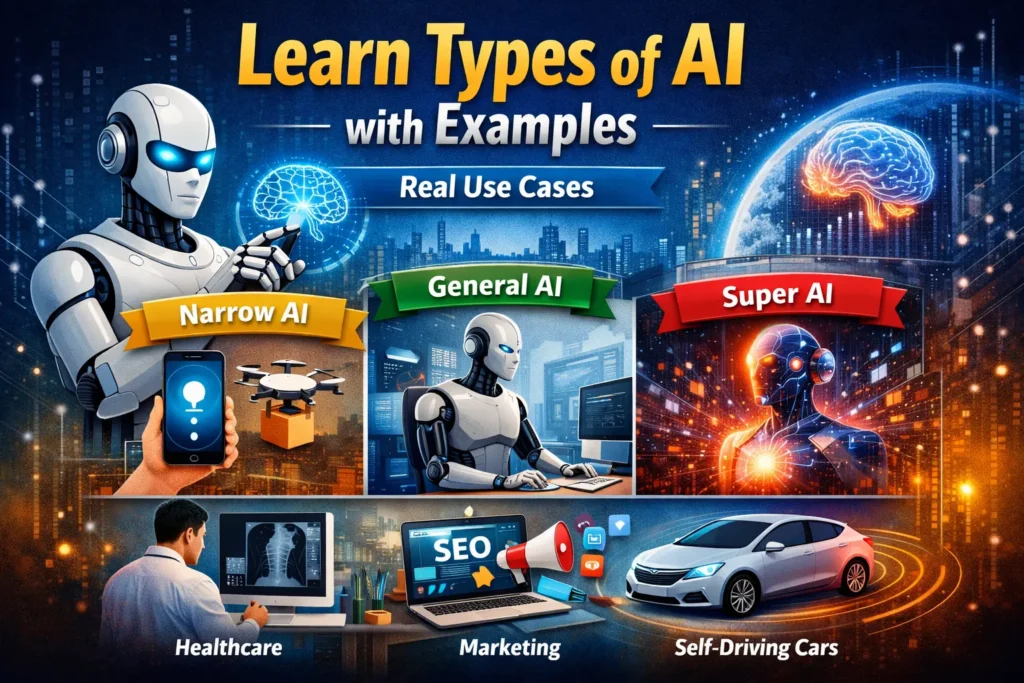
Learn Types of AI with Examples and Real Use Cases

आज के समय में Artificial Intelligence (AI) हमारी रोज़मर्रा की जिंदगी का अहम हिस्सा बन चुका है। जब आप Google पर कुछ सर्च करते हैं, YouTube या Netflix पर recommendations देखते हैं, या अपने फोन में voice assistant का इस्तेमाल करते हैं ये सब AI की ही देन है। इस आर्टिकल में हम आसान भाषा में समझेंगे Types of AI (AI के प्रकार), उनके examples, real-life use cases, और future में इनका क्या impact होगा। What is AI? (AI क्या है?) Artificial Intelligence यानी मशीनों को इस तरह बनाना कि वे इंसानों की तरह सोच सकें, सीख सकें और फैसले ले सकें। AI का लक्ष्य है: Human intelligence को replicate करना Data से सीखना (Learning) Decision लेना (Reasoning) Problem solve करना आसान शब्दों में: AI = Machine + Learning + Decision Making Types of AI (AI के प्रकार) AI को मुख्य रूप से 3 categories में divide किया जाता है: 1. Narrow AI (Weak AI) Narrow AI वह AI होता है जो एक specific task के लिए design किया जाता है। Example: Google Search Voice Assistants (Alexa, Siri) Face Recognition Real-Life Use Cases: E-commerce में product recommendations Spam email filtering Chatbots for customer support Key Point: यह AI केवल एक ही काम अच्छे से करता है, multi-tasking नहीं कर सकता। 2. General AI (Strong AI) General AI वह AI होता है जो इंसानों की तरह सोच और समझ सकता है। Example: Human-level intelligent robots (अभी पूरी तरह exist नहीं करते) Use Case (Future Vision): Complex problem solving Emotional understanding Human-like decision making Reality Check: अभी तक General AI fully develop नहीं हुआ है, यह research stage में है। H3: 3. Super AI Super AI वह stage है जहां AI इंसानों से भी ज्यादा intelligent हो जाएगा। Potential Capabilities: Self-awareness Advanced decision making Scientific discoveries Future Impact: Healthcare revolution Space exploration Fully automated systems Important: Super AI अभी theoretical concept है, लेकिन भविष्य में संभव हो सकता है। Types of Artificial Intelligence Based on Functionality AI को functionality के आधार पर भी 4 types में divide किया जाता है: 1. Reactive Machines Memory नहीं होती Past data store नहीं करते केवल current input पर काम करते हैं Example: Chess AI (IBM Deep Blue) 2. Limited Memory AI Past data से सीखते हैं Most common AI type Example: Self-driving cars Recommendation systems 3. Theory of Mind AI Human emotions को समझने वाला AI अभी development stage में है 4. Self-Aware AI Self-conscious AI Future concept Narrow AI vs General AI vs Super AI Feature Narrow AI General AI Super AI Intelligence Limited Human-level Beyond human Availability Available Not yet Future Task Specific Multi-task Advanced Example Alexa Not exist Hypothetical Real-Life Examples of AI आज AI कई industries में use हो रहा है: Healthcare Disease detection AI-based diagnosis Education Personalized learning AI tutors Marketing SEO tools Ad targeting Finance Fraud detection Automated trading Daily Life Google Maps navigation Smart assistants Key Milestones in AI Development AI का विकास एक लंबी journey रही है: 1950 – Alan Turing ने AI का concept दिया 1956 – AI term पहली बार use हुआ (Dartmouth Conference) 1997 – IBM Deep Blue ने chess champion को हराया 2011 – IBM Watson ने Jeopardy जीता 2020s – Generative AI (Chatbots, AI tools) boom ये milestones AI की growth और evolution को दिखाते हैं। Future of Artificial Intelligence Types AI का future बहुत powerful और impactful होने वाला है: आने वाले समय में: Fully automated businesses Smart cities AI doctors और teachers Human-AI collaboration Challenges: Job displacement Privacy issues Ethical concerns इसलिए AI का responsible use बहुत जरूरी है। Benefits of AI Time saving Accuracy increase Automation Better decision making Cost reduction Limitations of AI Human emotions की कमी High development cost Dependency on data Ethical risks FAQs (People Also Ask) Q1. Types of AI कितने होते हैं? AI मुख्य रूप से 3 types के होते हैं: Narrow AI, General AI और Super AI। Q2. Narrow AI क्या है? Narrow AI एक specific task के लिए बना होता है, जैसे Google search या voice assistants। Q3. क्या General AI अभी exist करता है? नहीं, General AI अभी research stage में है और पूरी तरह develop नहीं हुआ है। Q4. Super AI क्या है? Super AI एक hypothetical AI है जो इंसानों से भी ज्यादा intelligent होगा। Q5. AI का सबसे common type कौन सा है? Limited Memory AI सबसे common है, जो आज की technologies में use होता है। Q6. AI का future क्या है? AI future में automation, healthcare और education में बड़ा बदलाव लाएगा। Q7. AI के real-life use cases क्या हैं? Healthcare, marketing, finance, education और daily life में AI का use हो रहा है। Q8. क्या AI jobs को replace करेगा? कुछ jobs replace होंगी, लेकिन नई opportunities भी create होंगी।

Learn Types of AI with Examples and Real Use Cases Read Post »

what-is-machine-learning
Artificial Intelligence

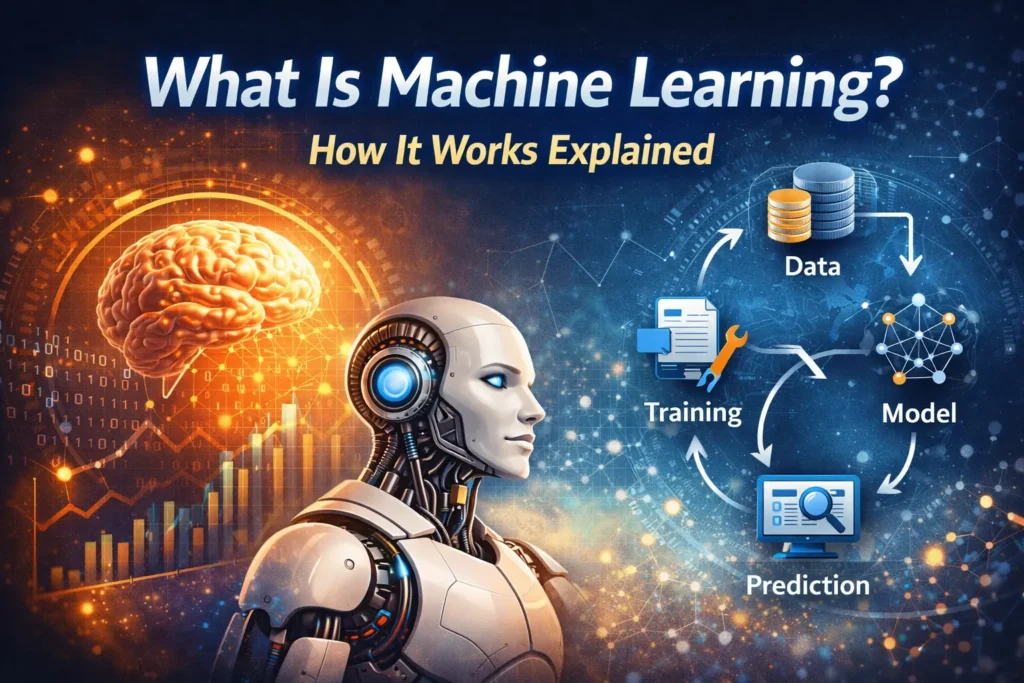
What Is Machine Learning? How It Works Explained Simply

आज की डिजिटल दुनिया में Machine Learning तेजी से विकसित होने वाली तकनीकों में से एक है। जब आप किसी वीडियो प्लेटफॉर्म पर फिल्में देखते हैं और आपको उसी तरह के और वीडियो सुझाए जाते हैं, या जब आपका ईमेल स्पैम मैसेज को पहचान लेता है, तो इसके पीछे Machine Learning तकनीक काम कर रही होती है। यदि सरल भाषा में समझें तो What Is Machine Learning का मतलब है ऐसी तकनीक जिसमें कंप्यूटर बिना सीधे प्रोग्राम किए गए नियमों के, डेटा से सीखते हैं और समय के साथ बेहतर निर्णय लेने लगते हैं। यह Artificial Intelligence (AI) का एक महत्वपूर्ण हिस्सा है। मशीन लर्निंग का मुख्य उद्देश्य मशीनों को इस तरह प्रशिक्षित करना है कि वे पैटर्न पहचान सकें, भविष्यवाणी कर सकें और समस्याओं का समाधान कर सकें। इस लेख में हम machine learning meaning, how machine learning works, machine learning algorithms, machine learning in AI और machine learning future जैसे महत्वपूर्ण विषयों को सरल भाषा में समझेंगे। Machine Learning Meaning (मशीन लर्निंग का अर्थ) Machine Learning का अर्थ है “मशीनों को डेटा के माध्यम से सीखने की क्षमता देना।” इसमें कंप्यूटर को बड़ी मात्रा में डेटा दिया जाता है, और उस डेटा से वह पैटर्न और नियम पहचानना सीखता है। इस क्षेत्र के शुरुआती शोधकर्ताओं में से एक थे Arthur Samuel, जिन्होंने 1959 में Machine Learning को इस तरह परिभाषित किया: “Machine Learning वह तकनीक है जो कंप्यूटर को बिना स्पष्ट प्रोग्रामिंग के सीखने की क्षमता देती है।” इसका मतलब यह है कि कंप्यूटर को हर निर्णय के लिए नियम नहीं दिए जाते, बल्कि वह डेटा से सीखकर खुद निर्णय लेना सीखता है। उदाहरण: स्पैम ईमेल पहचानना चेहरे की पहचान (Face Recognition) ऑनलाइन सुझाव (Recommendation Systems) भाषा अनुवाद (Language Translation) इन सभी तकनीकों में मशीन लर्निंग का उपयोग होता है। Machine Learning in AI Machine Learning, Artificial Intelligence (AI) का एक महत्वपूर्ण हिस्सा है। AI का उद्देश्य मशीनों को बुद्धिमान बनाना है, जबकि Machine Learning वह तरीका है जिससे मशीनें सीखती हैं। सरल शब्दों में: Artificial Intelligence → मशीनों को बुद्धिमान बनाना Machine Learning → मशीनों को डेटा से सीखना सिखाना AI के कई आधुनिक सिस्टम, जैसे: वॉइस असिस्टेंट चैटबॉट स्वचालित वाहन मेडिकल डायग्नोसिस सिस्टम इन सभी में मशीन लर्निंग का उपयोग किया जाता है। How Machine Learning Works (मशीन लर्निंग कैसे काम करता है) अब सबसे महत्वपूर्ण सवाल आता है: how machine learning works? मशीन लर्निंग का काम मुख्य रूप से डेटा के आधार पर होता है। मशीनों को बहुत सारा डेटा दिया जाता है और फिर वे उस डेटा से पैटर्न पहचानना सीखती हैं। मशीन लर्निंग का सामान्य machine learning working process इस प्रकार होता है: 1. डेटा संग्रह (Data Collection) सबसे पहले बड़ी मात्रा में डेटा इकट्ठा किया जाता है। यह डेटा टेक्स्ट, इमेज, वीडियो या नंबरों के रूप में हो सकता है। 2. डेटा तैयारी (Data Preparation) डेटा को साफ और व्यवस्थित किया जाता है ताकि मशीन इसे सही तरीके से समझ सके। 3. मॉडल प्रशिक्षण (Model Training) इस चरण में मशीन लर्निंग मॉडल को डेटा दिया जाता है ताकि वह पैटर्न पहचान सके। 4. परीक्षण (Testing) मॉडल को नए डेटा पर टेस्ट किया जाता है ताकि यह पता चले कि वह कितना सही परिणाम दे रहा है। 5. भविष्यवाणी (Prediction) जब मॉडल अच्छी तरह प्रशिक्षित हो जाता है तो वह नए डेटा पर भविष्यवाणी कर सकता है। Machine Learning Algorithms Machine Learning Algorithms वे गणितीय तरीके होते हैं जिनकी मदद से मशीनें सीखती हैं। कुछ लोकप्रिय एल्गोरिद्म हैं: 1. Linear Regression इसका उपयोग डेटा के बीच संबंध समझने और भविष्यवाणी करने के लिए किया जाता है। 2. Decision Trees यह एल्गोरिद्म निर्णय लेने के लिए पेड़ जैसी संरचना का उपयोग करता है। 3. Neural Networks यह एल्गोरिद्म मानव मस्तिष्क से प्रेरित होता है और गहरे पैटर्न पहचानने में सक्षम होता है। 4. K-Nearest Neighbors (KNN) यह एल्गोरिद्म डेटा को उसके निकटतम डेटा पॉइंट्स के आधार पर वर्गीकृत करता है। इन एल्गोरिद्म की मदद से मशीनें धीरे-धीरे सीखती हैं और बेहतर परिणाम देती हैं। Machine Learning के प्रकार मशीन लर्निंग को मुख्य रूप से तीन प्रकारों में बांटा जाता है। 1. Supervised Learning इसमें मशीन को लेबल किए गए डेटा के साथ प्रशिक्षित किया जाता है। उदाहरण: ईमेल स्पैम पहचान घर की कीमत का अनुमान 2. Unsupervised Learning इसमें डेटा के साथ कोई लेबल नहीं होता। मशीन खुद पैटर्न खोजती है। उदाहरण: ग्राहक समूह बनाना डेटा क्लस्टरिंग 3. Reinforcement Learning इसमें मशीन ट्रायल और एरर के माध्यम से सीखती है। उदाहरण: रोबोटिक्स गेम खेलने वाली AI Machine Learning के उपयोग आज मशीन लर्निंग कई क्षेत्रों में उपयोग हो रही है। स्वास्थ्य क्षेत्र मशीन लर्निंग डॉक्टरों को बीमारियों का जल्दी पता लगाने में मदद करती है। बैंकिंग और वित्त फ्रॉड डिटेक्शन और जोखिम विश्लेषण में इसका उपयोग होता है। ई-कॉमर्स ऑनलाइन प्लेटफॉर्म ग्राहकों को उनके पसंदीदा उत्पाद सुझाने के लिए मशीन लर्निंग का उपयोग करते हैं। परिवहन स्वचालित कारों में मशीन लर्निंग का उपयोग किया जाता है। Machine Learning Future भविष्य में मशीन लर्निंग का महत्व और बढ़ने वाला है। विशेषज्ञों का मानना है कि आने वाले वर्षों में: अधिक उन्नत रोबोट विकसित होंगे चिकित्सा क्षेत्र में सटीक निदान संभव होगा स्वचालित वाहन अधिक सामान्य होंगे स्मार्ट शहरों का विकास होगा AI और मशीन लर्निंग के संयोजन से तकनीक और अधिक बुद्धिमान बनती जा रही है। Machine Learning क्यों महत्वपूर्ण है? मशीन लर्निंग आधुनिक तकनीक का आधार बन चुकी है। इसके मुख्य लाभ हैं: बड़े डेटा का विश्लेषण बेहतर निर्णय लेना स्वचालन (Automation) समय और लागत की बचत इसी कारण आज दुनिया की कई बड़ी तकनीकी कंपनियाँ मशीन लर्निंग पर भारी निवेश कर रही हैं। FAQ (Frequently Asked Questions) 1. मशीन लर्निंग क्या है? मशीन लर्निंग एक ऐसी तकनीक है जिसमें कंप्यूटर डेटा से सीखते हैं और बिना सीधे प्रोग्राम किए गए नियमों के निर्णय लेने की क्षमता विकसित करते हैं। यह Artificial Intelligence का एक महत्वपूर्ण भाग है और इसका उपयोग कई आधुनिक तकनीकों में किया जाता है। 2. मशीन लर्निंग कैसे काम करता है? मशीन लर्निंग डेटा के आधार पर काम करता है। इसमें पहले डेटा इकट्ठा किया जाता है, फिर मशीन को उस डेटा से प्रशिक्षित किया जाता है। इसके बाद

What Is Machine Learning? How It Works Explained Simply Read Post »

history-of-AI
Artificial Intelligence

History of AI The Story Behind Smart Machines

आज के समय में Artificial Intelligence (AI) हमारी रोज़मर्रा की जिंदगी का हिस्सा बन चुका है। जब हम स्मार्टफोन में वॉइस असिस्टेंट का उपयोग करते हैं, ऑनलाइन शॉपिंग में सुझाव देखते हैं या कारों में ऑटोमेशन की बात करते हैं, तो इन सबके पीछे AI तकनीक काम करती है। लेकिन यह तकनीक अचानक नहीं आई। इसके पीछे कई दशकों का शोध, प्रयोग और विकास छिपा हुआ है। History of AI को समझना इसलिए महत्वपूर्ण है क्योंकि इससे हमें यह पता चलता है कि वैज्ञानिकों और शोधकर्ताओं ने किस तरह से मशीनों को “सोचने” और “सीखने” की क्षमता देने की कोशिश की। शुरुआती विचारों से लेकर आज की आधुनिक AI तकनीकों तक का यह सफर विज्ञान और तकनीक की एक रोमांचक कहानी है। इस लेख में हम AI के शुरुआती इतिहास, AI development history, machine learning history, AI technology evolution और आधुनिक AI तकनीकों के विकास को सरल भाषा में समझेंगे। Early History of AI (1940–1960) AI का विचार कंप्यूटर के आने से भी पहले शुरू हो गया था। वैज्ञानिक लंबे समय से यह सोचते थे कि क्या मशीनें इंसानों की तरह सोच सकती हैं। इस दिशा में एक महत्वपूर्ण नाम है Alan Turing, जिन्होंने 1950 में एक प्रसिद्ध शोध पत्र लिखा – “Computing Machinery and Intelligence”। इसमें उन्होंने सवाल पूछा: “क्या मशीनें सोच सकती हैं?” इसी से Turing Test का विचार सामने आया। इस टेस्ट का उद्देश्य यह पता लगाना था कि क्या कोई मशीन इंसान की तरह बातचीत कर सकती है। इस समय के कुछ महत्वपूर्ण विकास: शुरुआती कंप्यूटरों का निर्माण गणितीय मॉडल जो मानव सोच को समझने की कोशिश करते थे मशीनों को नियमों के आधार पर निर्णय लेना सिखाने के प्रयास इन शुरुआती प्रयोगों ने आगे चलकर AI research progress की मजबूत नींव रखी। AI Research की शुरुआत और Dartmouth Conference AI के इतिहास में सबसे महत्वपूर्ण घटनाओं में से एक है Dartmouth Workshop। 1956 में अमेरिका के डार्टमाउथ कॉलेज में कुछ वैज्ञानिकों ने एक सम्मेलन आयोजित किया। इस सम्मेलन में पहली बार Artificial Intelligence शब्द का आधिकारिक रूप से उपयोग किया गया। इस सम्मेलन का नेतृत्व John McCarthy ने किया था, जिन्हें अक्सर “AI का जनक” भी कहा जाता है। इस सम्मेलन के मुख्य उद्देश्य थे: मशीनों को सीखने योग्य बनाना भाषा को समझने वाली प्रणालियाँ बनाना समस्या समाधान करने वाले कंप्यूटर विकसित करना यहीं से AI development history की वास्तविक शुरुआत मानी जाती है। AI Development History (1960–1980) 1960 और 1970 के दशक में AI के क्षेत्र में काफी उत्साह था। वैज्ञानिकों को विश्वास था कि कुछ ही वर्षों में मशीनें इंसानों की तरह सोचने लगेंगी। इस समय कई महत्वपूर्ण प्रोग्राम बनाए गए: ELIZA – एक शुरुआती चैटबॉट SHRDLU – भाषा को समझने वाला कंप्यूटर प्रोग्राम विशेषज्ञ प्रणालियाँ (Expert Systems) इन सिस्टम्स को खास नियमों के आधार पर बनाया जाता था। उदाहरण के लिए, डॉक्टरों की मदद करने वाली expert systems मेडिकल निर्णय लेने में सहायता करती थीं। हालांकि इन सिस्टम्स की एक बड़ी समस्या थी — ये केवल सीमित जानकारी के आधार पर काम करते थे। वास्तविक दुनिया की जटिल समस्याओं को हल करना इनके लिए मुश्किल था। AI Winter और चुनौतियाँ 1970 और 1980 के दशक में AI के क्षेत्र को बड़ी चुनौतियों का सामना करना पड़ा। वैज्ञानिकों की उम्मीदें बहुत अधिक थीं, लेकिन तकनीक उतनी तेजी से विकसित नहीं हो पाई। इस समय को AI Winter कहा जाता है। AI Winter के मुख्य कारण: कंप्यूटर की सीमित शक्ति डेटा की कमी अत्यधिक उम्मीदें और कम परिणाम फंडिंग में कमी इस दौर में कई AI प्रोजेक्ट बंद हो गए। लेकिन कुछ शोधकर्ता इस क्षेत्र में काम करते रहे, जिन्होंने आगे चलकर AI को फिर से आगे बढ़ाया। Machine Learning History और Data-Driven AI का उदय 1990 के दशक में AI के विकास में एक बड़ा बदलाव आया। वैज्ञानिकों ने महसूस किया कि मशीनों को केवल नियमों से नहीं, बल्कि डेटा से सीखने की जरूरत है। यहीं से Machine Learning का महत्व बढ़ा। Machine Learning का मतलब है कि मशीनें डेटा से पैटर्न सीखती हैं और समय के साथ बेहतर निर्णय लेने लगती हैं। इस क्षेत्र में एक महत्वपूर्ण उपलब्धि थी: 1997 में IBM का कंप्यूटर Deep Blue ने विश्व शतरंज चैंपियन Garry Kasparov को हराया। यह घटना AI की क्षमता का बड़ा उदाहरण थी और इससे AI research progress को नई दिशा मिली। 21वीं सदी में AI Technology Evolution 2000 के बाद तकनीक तेजी से बदलने लगी। इंटरनेट, बड़े डेटा (Big Data) और शक्तिशाली कंप्यूटरों ने AI के विकास को नई गति दी। इस समय Deep Learning नाम की तकनीक लोकप्रिय हुई। इसमें न्यूरल नेटवर्क का उपयोग किया जाता है, जो मानव मस्तिष्क से प्रेरित होते हैं। कुछ महत्वपूर्ण विकास: इमेज पहचान (Image Recognition) वॉइस पहचान (Speech Recognition) भाषा अनुवाद (Machine Translation) आज कई कंपनियाँ AI तकनीक में अग्रणी भूमिका निभा रही हैं, जैसे: Google Microsoft OpenAI इन कंपनियों के शोध और विकास ने AI technology evolution को तेज किया है। Modern AI Technologies और उनका प्रभाव आज AI कई क्षेत्रों में उपयोग किया जा रहा है। आधुनिक AI तकनीकों ने हमारी जिंदगी को काफी बदल दिया है। कुछ प्रमुख modern AI technologies: 1. Natural Language Processing (NLP) यह तकनीक कंप्यूटर को मानव भाषा समझने और जवाब देने में मदद करती है। 2. Computer Vision इस तकनीक के जरिए मशीनें तस्वीरों और वीडियो को समझ सकती हैं। 3. Autonomous Vehicles स्वचालित कारें AI का उपयोग करके खुद निर्णय ले सकती हैं। 4. Recommendation Systems ऑनलाइन प्लेटफॉर्म AI के जरिए उपयोगकर्ताओं को सुझाव देते हैं। इन तकनीकों का उपयोग स्वास्थ्य, शिक्षा, वित्त और मनोरंजन जैसे कई क्षेत्रों में हो रहा है। वर्तमान AI Research Progress और भविष्य आज AI पर दुनिया भर में तेजी से शोध हो रहा है। वैज्ञानिक AI को और अधिक बुद्धिमान, सुरक्षित और उपयोगी बनाने की कोशिश कर रहे हैं। कुछ प्रमुख शोध क्षेत्र: जनरेटिव AI रोबोटिक्स स्वायत्त प्रणालियाँ AI नैतिकता (AI Ethics) विशेषज्ञों का मानना है कि भविष्य में AI मानव जीवन को और भी आसान बना सकता है। लेकिन इसके साथ जिम्मेदारी और सावधानी भी जरूरी है। FAQ (Frequently Asked Questions) 1. AI का इतिहास कब शुरू हुआ? AI का इतिहास 1940 और 1950 के दशक में

History of AI The Story Behind Smart Machines Read Post »

how-to-earn-money
Artificial Intelligence

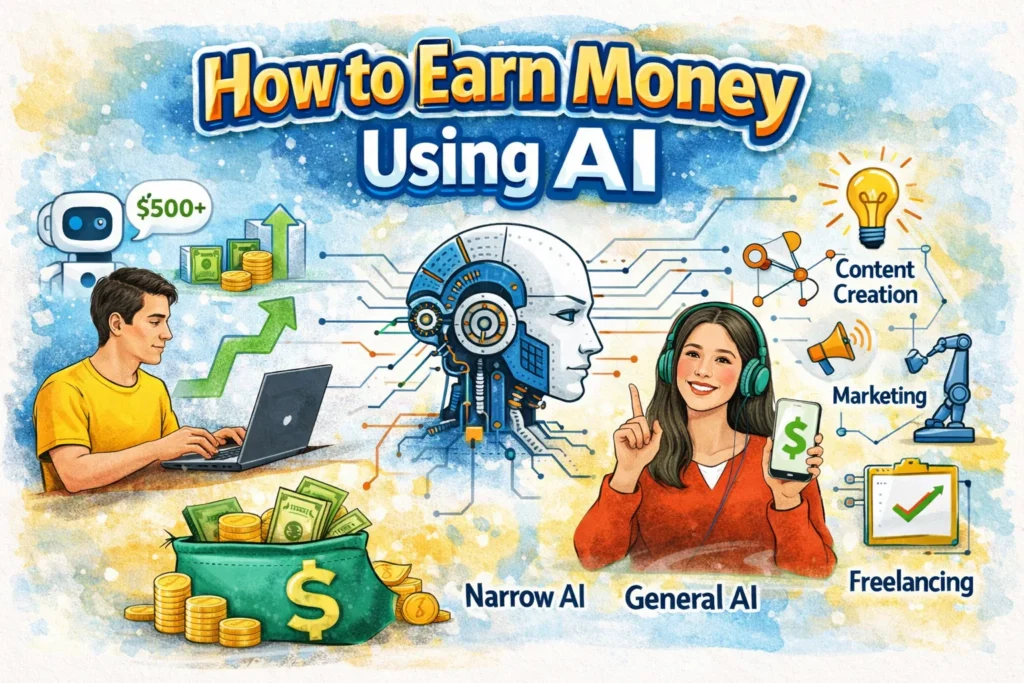
How to Earn Money Using AI – Complete Guide

आज के समय में Artificial Intelligence (AI) केवल एक trending technology नहीं है, बल्कि यह एक ऐसा powerful tool बन चुका है जो लोगों के काम करने के तरीके, business models और earning opportunities को पूरी तरह बदल रहा है। पहले जहां online पैसे कमाने के लिए coding, designing या marketing जैसी complex skills की जरूरत होती थी, वहीं अब AI tools की मदद से कोई भी beginner भी कम समय में income generate करना शुरू कर सकता है। आज AI ने earning को democratize कर दिया है, यानी अब हर व्यक्ति के पास समान अवसर है कि वह अपने skills और AI tools की मदद से online income बना सके। चाहे आप student हों, freelancer हों या job कर रहे हों — AI आपको extra income या full-time earning का मौका दे सकता है। इस article में हम detail में समझेंगे कि AI से पैसे कैसे कमाए जा सकते हैं, कौन-कौन से proven तरीके हैं, beginner कैसे शुरुआत करे, और long-term income कैसे build की जाए। AI से पैसे कमाना क्यों आसान हो गया है? AI की वजह से earning पहले से कहीं ज्यादा आसान और scalable हो गई है। इसके पीछे कई कारण हैं: Automation Power AI repetitive tasks को automate कर देता है, जिससे आप कम समय में ज्यादा काम कर सकते हैं Skill Barrier कम हो गया पहले design या coding सीखने में महीनों लगते थे, लेकिन अब AI tools की मदद से beginner भी professional-level output बना सकता है Time Efficiency AI आपको fast results देता है, जिससे productivity बढ़ती है और income potential भी बढ़ता है Multiple Income Streams AI की मदद से आप एक साथ कई income sources बना सकते हैं जैसे freelancing, blogging, YouTube, affiliate marketing सरल शब्दों में: AI आपको “smart work” करने में मदद करता है, जिससे earning तेजी से बढ़ती है Top Proven Ways to Earn Money Using AI\ अब हम detail में उन तरीकों को समझते हैं जिनसे आप AI का उपयोग करके पैसे कमा सकते हैं: 1. AI Content Writing (सबसे आसान तरीका) AI content writing beginners के लिए सबसे आसान और fast earning method है। AI tools जैसे ChatGPT, Jasper, Copy.ai की मदद से आप: Blog posts लिख सकते हैं SEO articles बना सकते हैं Website content तैयार कर सकते हैं Social media captions लिख सकते हैं Real Strategy: आप किसी niche (जैसे digital marketing, health, tech) को choose करें और clients के लिए content लिखना शुरू करें Earning Potential: Beginner: ₹10,000 – ₹30,000/month Intermediate: ₹50,000+ Freelancing platforms: Fiverr Upwork 2. AI Graphic Design (High Demand Skill) अगर आपको design नहीं भी आता, तो भी AI tools की मदद से आप professional designs बना सकते हैं आप बना सकते हैं: Instagram posts YouTube thumbnails Logos Ads creatives Tools: Canva AI Midjourney Leonardo AI Real Example: Local businesses को social media posts की जरूरत होती है — आप monthly packages दे सकते हैं Income: ₹15,000 – ₹60,000/month 3. YouTube Automation (Passive Income Model) AI की मदद से आप बिना face दिखाए YouTube channel चला सकते हैं Process: Script → AI से Voice → AI voice tools Video → AI editing tools Niche Ideas: Facts Motivation Finance AI tutorials Income: AdSense Sponsorship Affiliate links Long-term passive income  4. Blogging with AI (Long-Term Income) Blogging एक powerful तरीका है जिससे आप AI की मदद से scalable income बना सकते हैं AI Use: Keyword research Content writing SEO optimization Income Sources: Google AdSense Affiliate marketing Sponsored posts Blogging patience मांगता है, लेकिन long-term में बहुत powerful income source है 5. AI Freelancing Services AI skills के साथ आप multiple services दे सकते हैं: SEO content writing Social media management Design services Chatbot creation Platforms: Fiverr Freelancer Upwork Tip: Start with low price → reviews build करो → फिर price बढ़ाओ 6. Affiliate Marketing Using AI Affiliate marketing में आप products promote करके commission earn करते हैं AI आपकी मदद करता है: SEO blog लिखने में Product reviews बनाने में Email marketing automate करने में Example: Amazon products promote करना 7. AI in Excel & Data Services Businesses को data management की जरूरत होती है AI की मदद से आप: Reports बना सकते हैं Data clean कर सकते हैं Automation कर सकते हैं Clients: Small businesses Startups 8. Social Media Management AI tools से आप clients के social media accounts manage कर सकते हैं Work: Content calendar Post design Captions Scheduling Income: ₹10,000 – ₹50,000/month Beginner Roadmap (Step-by-Step) अगर आप beginner हैं, तो यह roadmap follow करें: Step 1: 1 Skill चुनें Content / Design / Video Step 2: AI Tools सीखें Daily practice करें Step 3: Portfolio बनाएं Sample work तैयार करें Step 4: Freelancing शुरू करें Small clients से शुरुआत करें Step 5: Scale करें Multiple clients + passive income Common Mistakes (Avoid These) Copy-paste content AI output बिना editing के use करना Multiple niches में काम करना Always: Human touch + AI = Best result Benefits of Earning with AI Low investment High scalability Work from home Passive income FAQs Q1. क्या AI से पैसे कमाना सच में possible है? हाँ, AI tools की मदद से freelancing, blogging और YouTube के जरिए income generate की जा सकती है। Q2. Beginner AI से कैसे शुरू करें? एक skill चुनें, AI tools सीखें और practice के बाद freelancing शुरू करें। Q3. AI से सबसे fast earning तरीका क्या है? Content writing और social media services सबसे fast income देते हैं। Q4. क्या AI future में jobs खत्म कर देगा? नहीं, AI jobs को replace नहीं करेगा बल्कि नई opportunities create करेगा। Q5. AI से कितनी income हो सकती है? Beginner ₹10,000–₹30,000/month और experienced ₹1 lakh+ तक कमा सकते हैं।

How to Earn Money Using AI – Complete Guide Read Post »

You have been successfully Subscribed! Ops! Something went wrong, please try again.

About Us

Techy Notes is a digital learning platform offering Digital Marketing Notes, SEO resources, AI learning content, and practical technology guides in Hindi.

Recent news

  • All Post
  • AI Prompts
  • Artificial Intelligence
  • Career Guidance
  • Digital Marketing Tools
  • Interview
  • Jobs
  • SEO
    •   Back
    • Keyword Research
    • On Page Seo
    • Technical SEO
    • Off Page SEO

© 2026 Created By Himanshu Nigam