Digital Marketing Notes in Hindi SEO, AI & Web Technology
Techy Notes is India's free Hindi Digital Marketing learning platform. Master SEO, AI, Google Ads, Content Marketing, and Web Technology with easy-to-understand notes, practical guides, and interview resources designed for students, beginners, and job seekers.
Techy Notes is a trusted learning platform for students, bloggers, and digital learners seeking practical and easy-to-understand knowledge. We provide Digital Marketing Notes, SEO guides, AI learning resources, WordPress tutorials, previous year question papers, and career-focused content designed to help beginners build valuable digital skills. Our goal is to simplify complex topics through updated, practical, and beginner-friendly resources that support learning, career growth, and continuous development.
100+
Notes Published
4
Core Categories
100%
% Free Access
Structured, Beginner-to-Advanced Learning Path
Every category follows a carefully curated progression — from core fundamentals to advanced concepts — so you always know exactly what to learn next without feeling lost.
01
Save Time, Learn Faster
No fluff — every note is condensed to the essentials. Get interview-ready or job-ready in a fraction of the usual time.
02
Real-World Focused Content
Notes aren't just theory — they include practical examples, code snippets, and use-cases you'll encounter on the job or in interviews.
03
Always Up-to-Date
Tech evolves fast. Our notes are continuously updated to reflect the latest tools, frameworks, algorithms, and industry best practices.
04
Built for Every Learner
Whether you're a student, a career switcher, or a seasoned dev brushing up on skills — Techy Notes meets you right where you are.
Explore Our Digital Learning Categories
Digital Marketing Notes में SEO, Social Media Marketing, Content Marketing, Google Ads और अन्य महत्वपूर्ण concepts को सरल और practical तरीके से समझाया गया है। यह content beginners और learners को industry-relevant skills विकसित करने, concepts को बेहतर समझने और digital marketing career की तैयारी करने में मदद करता है।
01 — Category
SEO Learning Notes
SEO SEO Learning Notes beginners, students, and digital marketing learners के लिए एक आसान guide हैं, जिनमें SEO concepts, keyword research, on-page SEO, technical SEO, और link building को practical examples के साथ समझाया गया है।
AI Notes beginners, students, and learners के लिए एक useful resource हैं, जिनमें Artificial Intelligence, Machine Learning, Neural Networks, और AI applications को आसान भाषा और practical examples के साथ समझाया गया है। ये notes AI concepts को step-by-step सीखने में मदद करते हैं।
Interview Preparation Notes students, freshers, and job seekers के लिए एक useful resource हैं, जिनमें technical concepts, commonly asked interview questions, practical answers, और career tips शामिल हैं। ये notes confidence बढ़ाने और interview performance बेहतर करने में मदद करते हैं।
SEO Professional,
Blogger & Founder of
Techy Notes
Himanshu Nigam is passionate about
Digital Marketing, SEO, AI learning,
and WordPress. Through Techy Notes,
he shares practical resources that
help students, beginners, and digital
learners improve their skills and stay
updated with industry trends.
यहाँ आपको Technology और Digital Field से जुड़ी latest और useful जानकारी मिलेगी। यहां आप Digital Marketing Notes, AI Notes, Interview Preparation tips और Job Updates से related blogs आसानी से पढ़ सकते हैं। हर content को simple और practical तरीके से समझाया गया है, ताकि आप अपने skills improve कर सकें और career growth में आगे बढ़ सकें। अपने future को बेहतर बनाने के लिए हमारे Latest Blogs जरूर explore करें
मान लीजिए, लखनऊ में आपकी एक छोटी डिजिटल मार्केटिंग एजेंसी है। आप अच्छा काम करते हैं, ग्राहकों को सही सलाह देते हैं, लेकिन जब कोई Google पर “SEO Expert in Lucknow” या “Digital Marketing Agency Near Me” सर्च करता है, तो आपकी वेबसाइट दिखाई नहीं देती। दूसरी तरफ, कुछ ऐसी वेबसाइटें भी दिखती हैं जिनकी Services आपसे मिलती-जुलती हैं। ऐसी स्थिति में केवल Social Media पर पोस्ट डालना या Website बनाकर छोड़ देना पर्याप्त नहीं होता। लोगों को आपके बिज़नेस के बारे में उस समय भी पता चलना चाहिए, जब वे खुद Google पर आपकी Services खोज रहे हों। यहीं पर SEO काम आता है। SEO का उद्देश्य सिर्फ वेबसाइट को Google में ऊपर लाना नहीं है, बल्कि सही लोगों तक पहुंचना, उनकी समस्याओं का जवाब देना और उन्हें आपके बिज़नेस पर भरोसा करने की वजह देना है। अच्छी बात यह है कि छोटे बिज़नेस भी बिना बड़े मार्केटिंग बजट के SEO की शुरुआत कर सकते हैं, बशर्ते वे सही कामों को प्राथमिकता दें। छोटे बिज़नेस के लिए SEO क्या है और इसकी जरूरत क्यों पड़ती है? SEO यानी Search Engine Optimization वह प्रक्रिया है, जिससे आपकी website और online business को Google जैसे Search Engines के लिए समझना और users के लिए उपयोगी बनाना आसान होता है। छोटे बिज़नेस के मामले में SEO का मतलब हर कीवर्ड पर रैंक करना नहीं है। इसका मतलब उन लोगों तक पहुंचना है जिन्हें वास्तव में आपकी सर्विस की जरूरत है। उदाहरण के लिए, अगर लखनऊ में कोई व्यक्ति अपनी दुकान की वेबसाइट बनवाना चाहता है, तो वह “website development services in Lucknow” सर्च कर सकता है। अगर आपकी वेबसाइट पर इस सर्विस की स्पष्ट जानकारी, काम के उदाहरण, संपर्क विवरण और उपयोगी जवाब मौजूद हैं, तो Google के पास आपके पेज को समझने के लिए बेहतर जानकारी होती है। हालांकि, केवल सही कीवर्ड डाल देने से रैंकिंग की गारंटी नहीं मिलती। प्रतियोगिता, वेबसाइट की तकनीकी स्थिति, कंटेंट की उपयोगिता, बिज़नेस की प्रासंगिकता और अन्य संकेत भी असर डाल सकते हैं। SEO services का सही उद्देश्य ऐसी मजबूत ऑनलाइन उपस्थिति तैयार करना है, जिससे संभावित ग्राहक आपकी सेवाओं को खोज सकें, उनके बारे में समझ सकें और जरूरत पड़ने पर आपसे संपर्क कर सकें। छोटे बिजनेस के लिए SEO शुरुआत में किन चीजों पर ध्यान दें? छोटे बिज़नेस के पास अक्सर सीमित बजट और समय होता है। इसलिए हर SEO गतिविधि एक साथ शुरू करने के बजाय उन समस्याओं को पहले ठीक करना बेहतर है, जो वेबसाइट की उपयोगिता और खोज में दिखाई देने की क्षमता को प्रभावित करती हैं। 1. सही Keywords चुनें, केवल ज्यादा Search Volume के पीछे न भागें Keyword Research का उद्देश्य ऐसे शब्द खोजना है जिन्हें आपके संभावित ग्राहक वास्तव में इस्तेमाल करते हैं। मान लीजिए, आप लखनऊ में एक प्लंबर हैं। “Plumbing” जैसे सामान्य कीवर्ड के बजाय “Plumber in Aliganj Lucknow” या “Emergency Plumbing Service in Lucknow” आपके बिज़नेस के लिए ज्यादा relevent हो सकते हैं। लेकिन हर लंबा कीवर्ड अच्छा ही होगा, ऐसा जरूरी नहीं है। पहले समझें कि व्यक्ति क्या चाहता है जानकारी, कीमत, तुलना या सीधे सर्विस। कीवर्ड चुनते समय तीन बातें देखें: क्या यह आपकी वास्तविक सर्विस से संबंधित है? क्या सर्च करने वाला व्यक्ति आपके संभावित ग्राहक जैसा है? क्या आप इस विषय पर उपयोगी और सटीक जानकारी दे सकते हैं? Google Search Console से यह भी समझा जा सकता है कि आपकी वेबसाइट किन सर्च क्वेरी के लिए दिखाई दे रही है और किन पर क्लिक मिल रहे हैं। 2. Website को ग्राहक के सवालों का जवाब देना चाहिए कई छोटी कंपनियों की वेबसाइट पर Home, About और Contact Page तो होते हैं, लेकिन उनकी Services के बारे में पर्याप्त जानकारी नहीं होती। अगर आप SEO सर्विस देते हैं, तो सिर्फ “We provide the best SEO services” लिखना users के लिए बहुत मददगार नहीं है। उसे यह भी जानना होता है कि आप Website Audit, Technical SEO, On-Page Optimization और Local SEO में क्या काम करते हैं। एक उपयोगी सर्विस पेज पर इन सवालों के जवाब होने चाहिए: आपकी सर्विस किस तरह के बिज़नेस के लिए है? आप किन समस्याओं को ठीक करने में मदद करते हैं? काम की प्रक्रिया क्या होगी? ग्राहक को आपसे कौन-सी जानकारी देनी होगी? कीमत किन बातों पर निर्भर करती है? कंटेंट में ऐसे दावे न करें जिन्हें साबित नहीं किया जा सकता। उदाहरण के लिए, “7 दिनों में Google पर नंबर 1” जैसी गारंटी से बचें। SEO में परिणाम वेबसाइट और प्रतिस्पर्धा के अनुसार बदलते हैं। 3. Local SEO for Small Businesses को नजरअंदाज न करें अगर आपका बिज़नेस किसी खास शहर या इलाके में ग्राहकों को सर्विस देता है, तो Local SEO आपकी प्राथमिकताओं में होना चाहिए। उदाहरण के लिए, लखनऊ में काम करने वाले इलेक्ट्रिशियन, डॉक्टर, सैलून या डिजिटल मार्केटिंग एजेंसी को ऐसे ग्राहक चाहिए जो आसपास सर्विस खोज रहे हों। सबसे पहले अपने Google Business Profile की जानकारी सही रखें। बिज़नेस का नाम, पता या सर्विस एरिया, फोन नंबर, काम के घंटे और उपलब्ध सेवाएं वास्तविक जानकारी के अनुसार दर्ज करें। अगर आप ग्राहकों से उनके स्थान पर जाकर मिलते हैं, तो अपनी बिज़नेस कैटेगरी और प्रोफाइल सेटिंग उसी हिसाब से रखें। ग्राहकों से वास्तविक अनुभव के आधार पर ईमानदार Reviews मांग सकते हैं। लेकिन नकली Reviews खरीदना या ग्राहकों को केवल सकारात्मक Review देने के बदले लाभ देना सही तरीका नहीं है। आपकी वेबसाइट पर भी शहर और सर्विस से संबंधित उपयोगी जानकारी होनी चाहिए। केवल अलग-अलग शहरों के नाम बदलकर एक जैसे पेज बनाने से बचें। हर Local Landing Page में उस स्थान के ग्राहकों के लिए वास्तविक उपयोगिता होनी चाहिए। छोटे बिज़नेस की Google Ranking सुधारने का व्यावहारिक तरीका अगर आप सोच रहे हैं कि how to improve Google rankings for a small business, तो शुरुआत किसी महंगे टूल से नहीं, बल्कि अपनी वेबसाइट की मौजूदा स्थिति समझने से करें। Step 1: Website Audit करें सबसे पहले वेबसाइट खोलकर देखें कि सभी महत्वपूर्ण पेज सही तरीके से काम कर रहे हैं या नहीं। Broken Links, 404 Errors, गलत Redirects और मोबाइल पर खराब Layout जैसी समस्याएं जांचें। Google Search Console में Indexing Report देखें। अगर कोई महत्वपूर्ण पेज
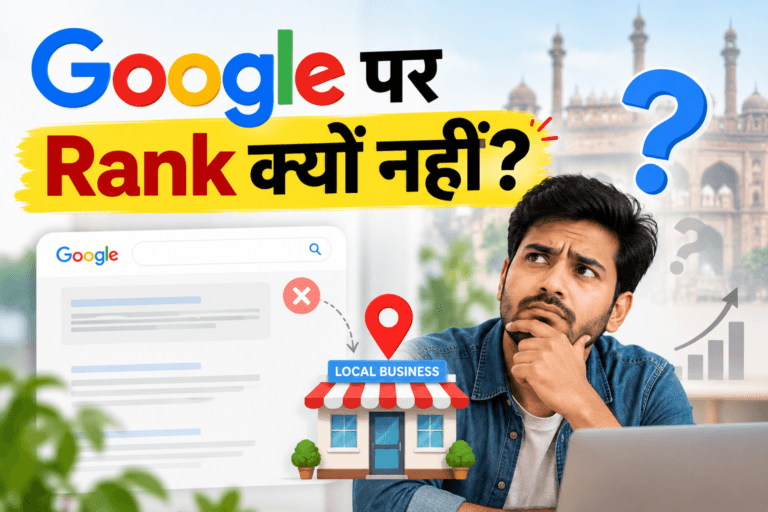
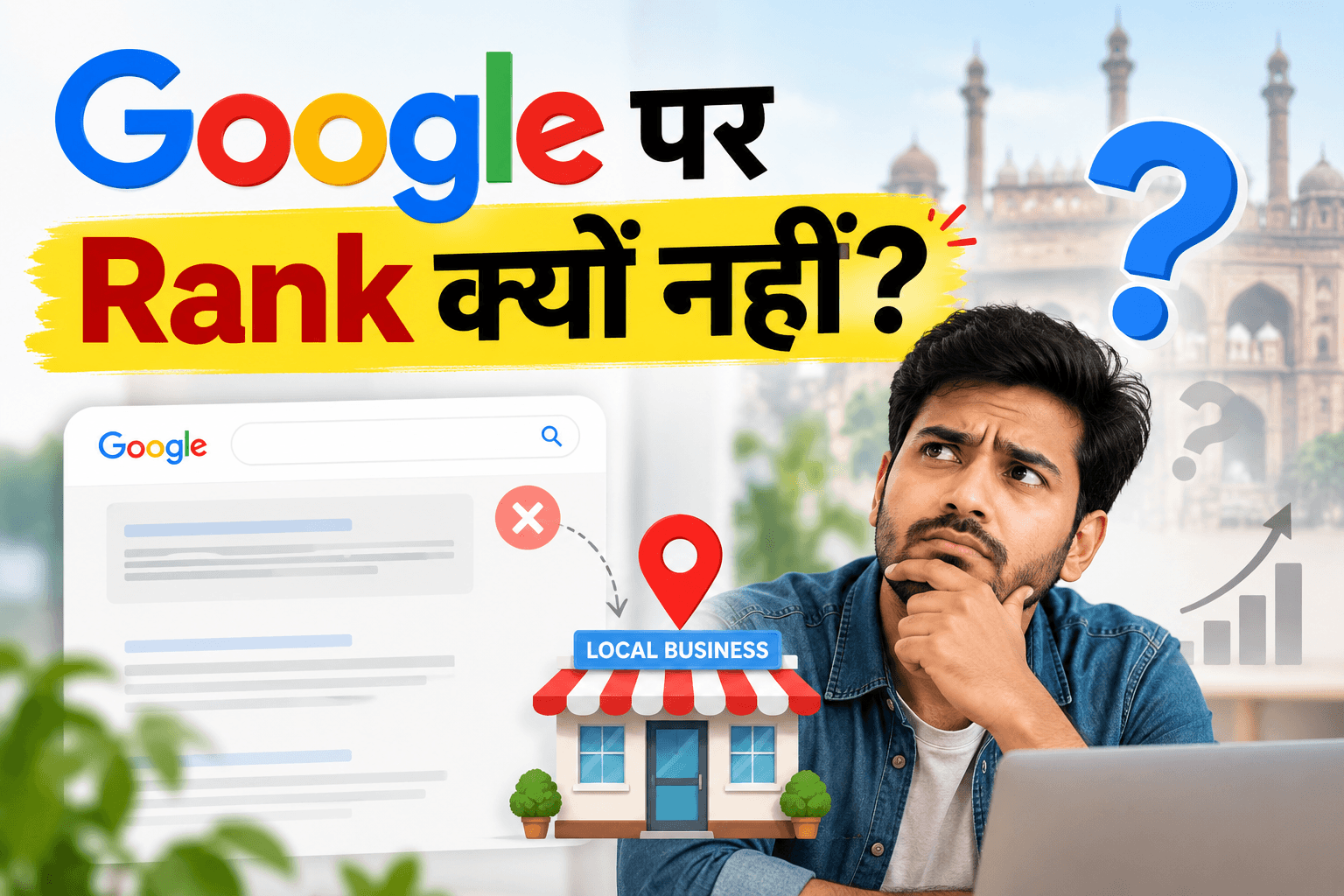
अगर आपका local business Google पर अपने products या services से जुड़े searches में दिखाई नहीं दे रहा है, तो इसका कारण केवल backlinks की कमी नहीं होता। कई बार technical SEO problems, गलत keywords, indexing issues, कमजोर content, Google Business Profile की जानकारी या local search intent को सही तरीके से target न करना भी ranking को प्रभावित कर सकता है। खासकर Lucknow जैसे competitive market में सिर्फ website बना देना पर्याप्त नहीं है। Google को यह समझना जरूरी है कि आपका business क्या करता है, किन लोगों के लिए है, किस location में service देता है और कौन-से searches आपके business से relevant हैं। इसलिए ranking की समस्या को समझने के लिए पूरी website और local search presence को एक साथ देखना जरूरी है। आपका Website आपके Business को Clearly Explain नहीं करता सबसे पहले यह देखें कि आपकी website पर यह साफ लिखा है या नहीं कि आपका business क्या करता है। मान लीजिए आप Lucknow में digital marketing service देते हैं। अगर homepage पर सिर्फ “हम आपके business को grow करने में मदद करते हैं” लिखा है, तो visitor और search engine दोनों के लिए यह जानकारी काफी सामान्य है। इसके बजाय website पर आपकी services को स्पष्ट रूप से बताया जाना चाहिए, जैसे: SEO Local SEO Google Business Profile Optimization Website Development Social Media Marketing SEO Audit हर महत्वपूर्ण service के लिए relevant information देना बेहतर होता है। एक visitor को आसानी से समझ आना चाहिए: आप कौन-सी service देते हैं आपकी service किसके लिए है आप किन locations में काम करते हैं आप कौन-सी समस्या solve करते हैं आपसे contact कैसे किया जा सकता है इससे website का overall context भी ज्यादा स्पष्ट होता है। Technical SEO की समस्या हो सकती है कई बार website पर अच्छा content मौजूद होता है, लेकिन Google उस page को ठीक से crawl या index नहीं कर पाता। सबसे पहले यह check करें कि आपके महत्वपूर्ण pages index होने के लिए available हैं या नहीं। कुछ common technical problems हैं: Important pages पर `noindex` लगा होना गलत canonical URL Broken internal links खराब website structure Slow loading pages Mobile usability problems गलत redirects XML sitemap की समस्या Robots.txt से जरूरी pages block होना उदाहरण के लिए, अगर आपकी service page पर गलती से `noindex` लगा हुआ है, तो केवल content को बेहतर करने से समस्या solve नहीं होगी। इसलिए SEO में content optimization से पहले basic technical health को भी check करना जरूरी है। Google Business Profile को भी Check करें Local business के लिए केवल website ही important नहीं होती। Google Search और Maps पर business की presence भी महत्वपूर्ण होती है। Google Business Profile में business की जानकारी accurate और updated होनी चाहिए। इन details को check करें: Business Name Primary Category Address या Service Area Phone Number Website Business Hours Business Description Photos Customer Reviews आपकी website और Google Business Profile में महत्वपूर्ण business information एक-दूसरे से contradict नहीं करनी चाहिए। Local business अपनी website पर relevant structured data भी इस्तेमाल कर सकता है। हालांकि structured data जोड़ने से किसी particular ranking या search appearance की guarantee नहीं होती। हो सकता है आप गलत Keywords Target कर रहे हों केवल ज्यादा search volume वाले keywords चुनना हमेशा सही strategy नहीं होती। मान लीजिए एक interior designer “interior design” keyword पर rank करना चाहता है। यह बहुत broad search है। User शायद interior design ideas, course, software या किसी service के बारे में information खोज रहा हो। इसके मुकाबले: “interior designer in Lucknow” जैसा search ज्यादा specific है। इसलिए keyword चुनते समय सिर्फ यह न देखें कि keyword को कितने लोग search करते हैं। यह भी समझें: > इस keyword को search करने वाला व्यक्ति वास्तव में क्या चाहता है? इसी को search intent कहते हैं। अगर user किसी service की तलाश में है, तो page पर वही information होनी चाहिए जो उसे decision लेने में मदद करे। आपका Content बहुत Generic हो सकता है सिर्फ बहुत सारे blog publish करने से website की topical relevance मजबूत नहीं हो जाती। Content को उन वास्तविक questions और problems को address करना चाहिए जिनका सामना आपके potential customers करते हैं। उदाहरण के लिए SEO website पर ऐसे topics useful हो सकते हैं: Local SEO क्या है? Google Maps पर business क्यों नहीं दिखाई देता? SEO Audit कैसे करें? Technical SEO की common problems क्या हैं? Service page को SEO-friendly कैसे बनाएं? Local keywords कैसे चुनें? Google Business Profile को optimize कैसे करें? यहां सबसे जरूरी बात यह है कि content में केवल keywords repeat न किए जाएं। Reader को वास्तविक explanation, examples और actionable information मिलनी चाहिए। Website Experience को Ignore न करें SEO सिर्फ keywords का खेल नहीं है। अगर visitor आपकी website को mobile पर ठीक से use नहीं कर पा रहा है या जरूरी information ढूंढने में परेशानी हो रही है, तो overall user experience खराब हो सकता है। अपनी website पर check करें: Mobile पर website ठीक से खुल रही है या नहीं Pages reasonably fast load हो रहे हैं या नहीं Text आसानी से पढ़ा जा सकता है या नहीं Navigation clear है या नहीं Important information आसानी से मिल रही है या नहीं Website HTTPS पर है या नहीं Pop-ups content को unnecessarily cover तो नहीं कर रहे Core Web Vitals और page experience को देखना उपयोगी है, लेकिन केवल PageSpeed score को perfect करना ही SEO का पूरा solution नहीं है। Content quality और search intent भी उतने ही महत्वपूर्ण हैं। Internal Linking कमजोर हो सकती है Internal links website के अलग-अलग relevant pages को आपस में connect करते हैं। उदाहरण के लिए आपकी website पर ये topics हैं: SEO → Local SEO → Google Business Profile → SEO Audit → Technical SEO इन pages के बीच relevant internal links होने चाहिए। अगर आप Local SEO पर article लिख रहे हैं और उसी topic से related detailed service page आपकी website पर मौजूद है, तो article के relevant section में उस page को naturally link किया जा सकता है। इससे visitor को आगे पढ़ने के लिए useful information मिलती है
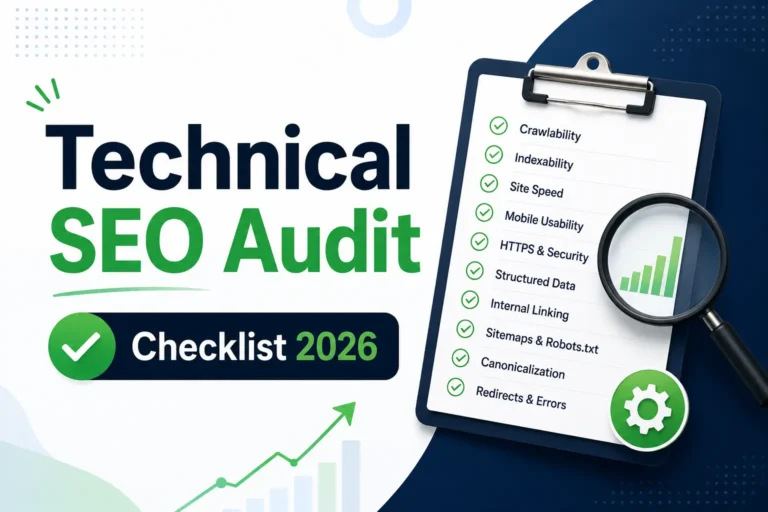
जब भी कोई नई Website मेरे पास Audit के लिए आती है, तो मैं सीधे Page Speed या Backlinks चेक करना शुरू नहीं करता। पिछले 1+ साल में SEO Executive के रूप में काम करते हुए मैंने एक चीज़ सीखी है कि अधिकांश Websites Ranking इसलिए नहीं खोतीं क्योंकि उनका Content खराब होता है, बल्कि इसलिए क्योंकि Google उस Content को सही तरीके से Crawl, Index और Understand नहीं कर पाता। शुरुआत में मैं भी वही गलती करता था जो ज़्यादातर Beginners करते हैं। Website खोलते ही Meta Title, Meta Description और Keywords देखने लग जाता था। लेकिन धीरे-धीरे Real Projects पर काम करते हुए समझ आया कि कई बार समस्या Content में नहीं बल्कि Website के Technical Foundation में होती है। कई Websites ऐसी मिलीं जिनका Content Competitors से बेहतर था, लेकिन फिर भी Ranking नहीं आ रही थी। जब मैंने Detail Analysis किया तो पता चला कि कहीं Pages Index ही नहीं हो रहे थे, कहीं XML Sitemap सही नहीं था, कहीं Robots.txt महत्वपूर्ण Pages को Block कर रहा था और कहीं Crawl Errors की वजह से Google Pages तक पहुंच ही नहीं पा रहा था। इसी Experience के आधार पर मैंने एक Technical SEO Audit Process तैयार किया है जिसे मैं लगभग हर Website पर Follow करता हूँ। यह कोई Theory Based Checklist नहीं है बल्कि यह कोई theory नहीं, बल्कि Real Projects पर काम करते हुए तैयार की गई Practical SEO Process है। Technical SEO Audit क्या होता है? सरल भाषा में समझें तो Technical SEO Audit वह Process है जिसमें हम यह Check करते हैं कि Search Engines Website को सही तरीके से Crawl, Render, Index और Understand कर पा रहे हैं या नहीं। कई बार Website Owner सोचता है कि उसने अच्छा Content Publish कर दिया है तो Ranking अपने आप आ जाएगी। लेकिन Google का पहला काम Content पढ़ना नहीं होता, उसका पहला काम Website को Crawl करना होता है। अगर Googlebot आपकी Website तक सही तरीके से पहुंच ही नहीं पा रहा है तो Content कितना भी अच्छा क्यों न हो, उसका पूरा benefit नहीं मिल पाएगा। यही कारण है कि मैं किसी भी Website का Audit शुरू करने से पहले Technical SEO Analysis करता हूँ। Step 1: Google Search Console Analysis मेरे Audit Process की शुरुआत हमेशा Google Search Console से होती है। अगर कोई SEO Professional Audit करते समय Google Search Console नहीं देख रहा, तो वह Website की आधी कहानी ही देख रहा है। Google Search Console मुझे सीधे Google की तरफ से Data देता है। यहाँ मुझे पता चलता है कि Google Website को किस तरह देख रहा है। जब मैं किसी नई Website का Audit करता हूँ, तो सबसे पहले निम्न Sections देखता हूँ: Pages Report Performance Report Sitemaps Manual Actions Security Issues लेकिन मेरा सबसे ज्यादा ध्यान Pages Report पर रहता है। क्योंकि यहीं से मुझे Indexing Issues का पता चलता है। कई बार Website Owner कहता है: “हमने 100 Articles Publish किए हैं।” लेकिन जब मैं Search Console खोलता हूँ तो पता चलता है कि उनमें से सिर्फ 60 Pages ही Indexed हैं। Remaining Pages: Crawled – Currently Not Indexed Discovered – Currently Not Indexed Duplicate Without User Selected Canonical जैसी Categories में पड़े होते हैं। ऐसी स्थिति में नए Content Publish करने से पहले Existing Indexing Problems को ठीक करना ज्यादा जरूरी होता है। Step 2: Indexing Issues Check करना मेरे अनुभव के अनुसार ज्यादातर Websites की सबसे बड़ी समस्या Indexing होती है। कई लोग Ranking पर Focus करते हैं लेकिन यह नहीं देखते कि Page Google के Index में है भी या नहीं। जब कोई Page Index ही नहीं होगा तो वह Rank कैसे करेगा? इसलिए मैं Audit के दौरान सबसे पहले यह समझने की कोशिश करता हूँ कि कौन से Pages Indexed हैं और कौन से Pages Indexing Problems का सामना कर रहे हैं। मैं निम्न Questions खुद से पूछता हूँ: क्या सभी महत्वपूर्ण Pages Indexed हैं? क्या कोई Important Landing Page Excluded है? क्या Blog Posts Properly Index हो रही हैं? क्या Google Duplicate Pages Detect कर रहा है? कई बार मैंने देखा है कि Websites पर Valuable Content मौजूद होता है लेकिन Google उसे Index नहीं कर रहा होता। ऐसे मामलों में समस्या अक्सर Content नहीं बल्कि Technical Signals होते हैं। उदाहरण के लिए: Weak Internal Linking Incorrect Canonical Tags Thin Content Duplicate Content Crawl Budget Waste इन Factors को समझे बिना Indexing Problem Solve करना मुश्किल होता है। Step 3: Crawl Errors Analysis अगर Technical SEO Audit का कोई ऐसा हिस्सा है जिसे अधिकांश लोग Ignore करते हैं, तो वह Crawl Errors हैं। जब Googlebot आपकी Website Visit करता है, तो वह Pages को Crawl करने की कोशिश करता है। लेकिन कई बार उसे विभिन्न Errors मिलते हैं। जैसे: 404 Errors Soft 404 Errors Redirect Chains Server Errors Blocked Resources Audit करते समय मैं हमेशा Crawl Errors पर विशेष ध्यान देता हूँ। क्योंकि Crawl Errors सिर्फ User Experience को ही प्रभावित नहीं करते, बल्कि Search Engine Efficiency को भी प्रभावित करते हैं। मान लीजिए आपकी Website पर 500 Pages हैं और उनमें से 100 Pages Broken URLs की तरफ Redirect हो रहे हैं। ऐसी स्थिति में Googlebot का समय और Crawl Budget दोनों Waste होंगे। इसीलिए मैं Audit के दौरान Broken Pages, Redirect Issues और Error Pages की पूरी List निकालता हूँ। Step 4: XML Sitemap Review मैंने कई Websites पर काम करते समय एक Common Problem देखी है। Website Owner सोचता है कि Sitemap Automatically Generate हो गया है, इसलिए सब कुछ सही होगा। लेकिन वास्तविकता हमेशा ऐसी नहीं होती। XML Sitemap Google के लिए Website का Roadmap होता है। यह Search Engine को बताता है कि Website पर कौन-कौन से Pages मौजूद हैं और किन Pages को Crawl करना महत्वपूर्ण है। जब मैं Sitemap Review करता हूँ, तो मैं सिर्फ यह नहीं देखता कि Sitemap खुल रहा है या नहीं। मैं यह भी चेक करता हूँ: क्या Sitemap Updated है? क्या Important URLs Sitemap में मौजूद हैं? क्या Deleted Pages Sitemap में शामिल हैं? क्या Noindex Pages Sitemap में हैं? क्या Sitemap Google Search Console में
हमारे students का trust ही हमारी सबसे बड़ी ताकत है। TechyNotes के easy notes, MCQ practice और digital guidance ने कई learners को interview crack करने और skills improve करने में मदद की है। यहाँ सीखना simple, practical और result-oriented है, जिससे growth और success दोनों आसान हो जाते हैं।
★★★★★
TechyNotes के नोट्स बहुत आसान भाषा में हैं। इंटरव्यू की तैयारी में मुझे काफी मदद मिली और मेरा कॉन्फिडेंस भी बढ़ा।
Rahul Verma
PGDCA
★★★★★
पहले डिजिटल मार्केटिंग समझना मुश्किल था, लेकिन यहां सब कुछ सरल और प्रैक्टिकल तरीके से समझाया गया है।
Priya Sharma
IT
★★★★★
डिजिटल मार्केटिंग की बेसिक से एडवांस तक जानकारी यहां सरल तरीके से दी गई है। सीखने का अनुभव बहुत अच्छा रहा।
Ranu Shukla
B.Tech
★★★★★
TechyNotes की सेवाओं से मेरे बिजनेस की ऑनलाइन ग्रोथ बढ़ी और अच्छे रिजल्ट देखने को मिले।
Rahul Singh
Click pic Media
People AlsoAsk
TechyNotes एक educational platform है जहाँ students और job seekers SEO, Frontend Development और Computer Science topics को आसान हिंदी में सीख सकते हैं। यहाँ आपको SEO Interview Questions, MCQs, और practical notes मिलते हैं जो interview preparation और skill development में मदद करते हैं।
हाँ, TechyNotes खासतौर पर SEO interview preparation के लिए बनाया गया है। यहाँ real-world SEO interview questions, updated MCQs और practical examples दिए गए हैं, जिससे आप आसानी से concepts समझकर interview crack कर सकते हैं।
हाँ, TechyNotes पर SEO, Frontend और Computer Science से जुड़े MCQs practice करने के लिए available हैं। आप अलग-अलग categories में quiz दे सकते हैं जैसे 10, 25 या 50 questions का test, जिससे आपकी तैयारी strong होती है।
बिल्कुल, TechyNotes beginners के लिए बहुत useful है क्योंकि यहाँ सभी topics को simple Hindi language में समझाया गया है। चाहे आप SEO सीखना शुरू कर रहे हों या frontend development, आपको step-by-step learning content मिलेगा।
TechyNotes पर SEO, Digital Marketing basics, Frontend Development (HTML, CSS, JavaScript), Artificial Intelligence basics और interview preparation topics cover किए जाते हैं। साथ ही हर topic के साथ MCQs और practical examples भी दिए जाते हैं।
हाँ, TechyNotes specially job seekers के लिए बनाया गया है। यहाँ आपको interview-focused questions, MCQs practice और real examples मिलते हैं, जिससे आप job interviews के लिए better prepare हो सकते हैं।
हाँ, TechyNotes पर content regularly update किया जाता है ताकि users को latest SEO trends, interview questions और updated study materials मिलते रहें। इससे आपकी preparation हमेशा updated रहती है।
Techy Notes is a digital learning platform offering Digital Marketing Notes, SEO resources, AI learning content, and practical technology guides in Hindi.